Buy designtomove.eu ?
We are moving the project
designtomove.eu .
Are you interested in purchasing the domain
designtomove.eu ?
domain@kv-gmbh.de · 0541-91531010
Buy designtomove.eu ?
Would one survive a head-on collision at 160 km/h against a wall?
Surviving a head-on collision at 160 km/h against a wall is highly unlikely. The impact of such a high-speed collision would result in severe injuries or even fatalities due to the extreme forces involved. The human body is not designed to withstand such rapid deceleration forces, and the chances of survival in such a scenario are very slim. It is crucial to always drive within the speed limits and follow all safety precautions to minimize the risk of such catastrophic accidents. **
Would one survive a head-on collision at 160 km/h into a wall?
Surviving a head-on collision at 160 km/h into a wall is highly unlikely. The impact would be extremely forceful, resulting in severe injuries or even death. The human body is not designed to withstand such high-speed impacts, and the forces involved in a collision at this speed are usually fatal. It is crucial to always drive at safe speeds and follow traffic laws to prevent such catastrophic accidents. **
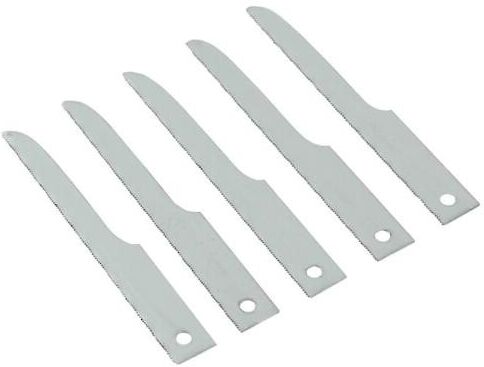

Similar search terms for ELRING-B32-160-Head
Top-Angebote
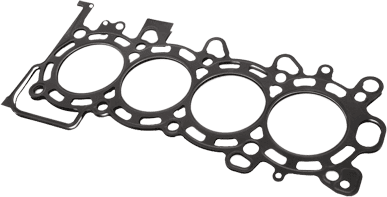
Products related to ELRING-B32-160-Head:
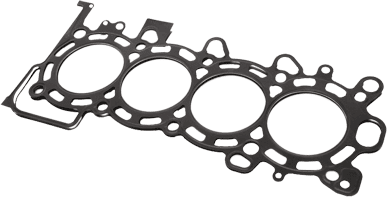
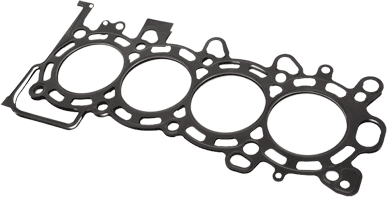
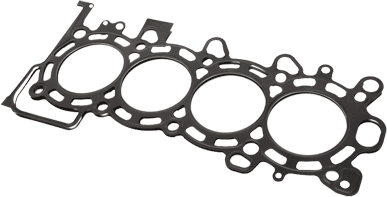
-
Would one survive a head-on crash at 160 km/h into a wall?
Surviving a head-on crash at 160 km/h into a wall is highly unlikely. The impact forces involved in such a collision would be extremely severe, leading to catastrophic injuries or death. Vehicles are not designed to withstand such high-speed impacts, and the human body would not be able to withstand the forces involved in such a collision. It is crucial to always drive at safe speeds and follow traffic laws to reduce the risk of such devastating accidents. **
-
Would one survive a head-on collision with a wall at 160 km/h?
Surviving a head-on collision with a wall at 160 km/h is highly unlikely. The impact force generated at such a high speed would be immense, causing severe injuries or even death. The human body is not designed to withstand such extreme forces, and the chances of survival in such a scenario are very slim. It is crucial to always follow speed limits and drive safely to avoid such catastrophic accidents. **
-
Would one survive a head-on collision at 160 km/h with a wall?
Surviving a head-on collision at 160 km/h with a wall is highly unlikely. The impact force generated at such a high speed would be immense, causing severe injuries or even death. The human body is not designed to withstand such extreme forces, and the chances of survival in such a scenario are very low. It is crucial to always drive at safe speeds and follow traffic regulations to prevent such catastrophic accidents. **
-
Is it okay, 160?
Yes, it is okay to use 160 characters. This is a common limit for text messages, social media posts, and other forms of communication. Keeping your message concise and within the character limit can help ensure that it is easily readable and understood by the recipient. **

Who is stronger, 160?
160 is not a specific entity or individual, so it is not possible to determine its strength. If you are referring to a specific person or thing, please provide more context so that a proper comparison can be made. **
What is Physics 160?
Physics 160 is an introductory course in physics that covers topics such as mechanics, thermodynamics, waves, and electricity. It is designed to provide students with a foundational understanding of the principles and laws that govern the physical world. The course typically includes lectures, labs, and problem-solving sessions to help students apply theoretical concepts to real-world situations. Physics 160 is often a prerequisite for more advanced physics courses and is a common requirement for students majoring in physics, engineering, or related fields. **
Top-Angebote
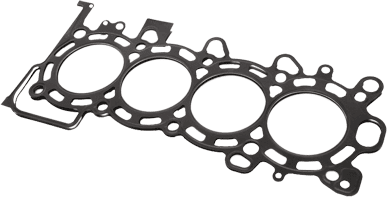
Products related to ELRING-B32-160-Head:
-
ELRING 058.671 Head gasketThickness: 1,4; Installed thickness [mm]: 1,4; Notches/Holes Number: 2; Piston Protrusion from [mm]: 0,67; Piston Protrusion to [mm]: 0,71; Diameter: 82; Gasket/Seal Design: Fibre Composite; Additionally required article (article number): 152.550; Goods tariff number: 840999999015,99 £*Shipping: 8,45 £Secure redirect to the provider
-
Would one survive a head-on collision at 160 km/h against a wall?
Surviving a head-on collision at 160 km/h against a wall is highly unlikely. The impact of such a high-speed collision would result in severe injuries or even fatalities due to the extreme forces involved. The human body is not designed to withstand such rapid deceleration forces, and the chances of survival in such a scenario are very slim. It is crucial to always drive within the speed limits and follow all safety precautions to minimize the risk of such catastrophic accidents. **
-
Would one survive a head-on collision at 160 km/h into a wall?
Surviving a head-on collision at 160 km/h into a wall is highly unlikely. The impact would be extremely forceful, resulting in severe injuries or even death. The human body is not designed to withstand such high-speed impacts, and the forces involved in a collision at this speed are usually fatal. It is crucial to always drive at safe speeds and follow traffic laws to prevent such catastrophic accidents. **
-
Would one survive a head-on crash at 160 km/h into a wall?
Surviving a head-on crash at 160 km/h into a wall is highly unlikely. The impact forces involved in such a collision would be extremely severe, leading to catastrophic injuries or death. Vehicles are not designed to withstand such high-speed impacts, and the human body would not be able to withstand the forces involved in such a collision. It is crucial to always drive at safe speeds and follow traffic laws to reduce the risk of such devastating accidents. **
-
Would one survive a head-on collision with a wall at 160 km/h?
Surviving a head-on collision with a wall at 160 km/h is highly unlikely. The impact force generated at such a high speed would be immense, causing severe injuries or even death. The human body is not designed to withstand such extreme forces, and the chances of survival in such a scenario are very slim. It is crucial to always follow speed limits and drive safely to avoid such catastrophic accidents. **
Similar search terms for ELRING-B32-160-Head
-
Would one survive a head-on collision at 160 km/h with a wall?
Surviving a head-on collision at 160 km/h with a wall is highly unlikely. The impact force generated at such a high speed would be immense, causing severe injuries or even death. The human body is not designed to withstand such extreme forces, and the chances of survival in such a scenario are very low. It is crucial to always drive at safe speeds and follow traffic regulations to prevent such catastrophic accidents. **
-
Is it okay, 160?
Yes, it is okay to use 160 characters. This is a common limit for text messages, social media posts, and other forms of communication. Keeping your message concise and within the character limit can help ensure that it is easily readable and understood by the recipient. **
-
Who is stronger, 160?
160 is not a specific entity or individual, so it is not possible to determine its strength. If you are referring to a specific person or thing, please provide more context so that a proper comparison can be made. **
-
What is Physics 160?
Physics 160 is an introductory course in physics that covers topics such as mechanics, thermodynamics, waves, and electricity. It is designed to provide students with a foundational understanding of the principles and laws that govern the physical world. The course typically includes lectures, labs, and problem-solving sessions to help students apply theoretical concepts to real-world situations. Physics 160 is often a prerequisite for more advanced physics courses and is a common requirement for students majoring in physics, engineering, or related fields. **
* All prices are inclusive of VAT and, if applicable, plus shipping costs. The offer information is based on the details provided by the respective shop and is updated through automated processes. Real-time updates do not occur, so deviations can occur in individual cases. ** Note: Parts of this content were created by AI.