Buy designtomove.eu ?
We are moving the project
designtomove.eu .
Are you interested in purchasing the domain
designtomove.eu ?
domain@kv-gmbh.de · 0541-91531010
Buy designtomove.eu ?
What is an FAE?
An FAE, or Field Application Engineer, is a technical expert who works for a company that sells complex technical products. FAEs are responsible for providing technical support to customers, helping them understand how to use the products effectively. They often work closely with sales teams to demonstrate the capabilities of the products and address any technical issues that may arise. FAEs play a crucial role in ensuring customer satisfaction and building strong relationships with clients. **
What is a FAE?
FAE stands for "Fetal Alcohol Effects" and refers to the range of physical, cognitive, and behavioral impairments that can occur in individuals who were prenatally exposed to alcohol but do not meet the full criteria for a diagnosis of Fetal Alcohol Syndrome (FAS). FAE is considered a milder form of FAS and can still have significant impacts on a person's development and functioning. Common characteristics of FAE may include learning difficulties, attention deficits, hyperactivity, and poor impulse control. It is important for individuals with FAE to receive appropriate support and interventions to help them reach their full potential. **


Similar search terms for FAE-68014-Exhaust-gas
Top-Angebote
Products related to FAE-68014-Exhaust-gas:
-
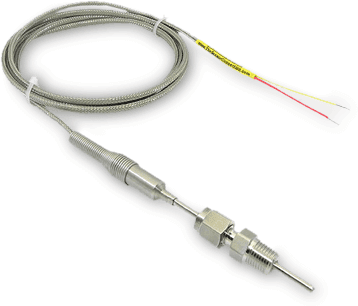
FAE 68016 Exhaust gas temperature sensor (EGT)Fitting Position: before soot particulate filter; Thread Size: M14x1,5; Cable Length [mm]: 546; Socket colour: brown; TecDoc Engine Number: 24473, 24474, 18224, 18188, 20493, 18755, 18471, 18136, 18482, 20499, 23414, 24471, 23421; Vehicle Identification Number (VIN) from: 2K-9-072 349, 1T-6-000 001, 2K-6-048 671, 3C-6-021 585, 3C-6-167 558, 1T-6-185 467, 2K-8-000 001, 1T-6-095 583, 3C-6-000 001, 3C-6-049 626, 3C-6-085 071, 2K-8-035 370; Vehicle Identification Number (VIN) to: 2K-B-040 000, 1T-A-150 000, 3C-8-088 103, 3C-9-200 000, 3C-A-200 000; Construction Year from: 06/2005, 11/2005, 02/2006, 06/2006, 05/2007, 08/2005, 10/2005, 11/2008; Construction Year to: 05/2009, 04/2011; Required quantity: 1; for model code/type code: 1T281,99 £*Shipping: 8,45 £Secure redirect to the provider
-
FAE 68036 Exhaust gas temperature sensor (EGT)Fitting Position: before soot particulate filter; Thread Size: M14x1,5; Cable Length [mm]: 426; Socket colour: brown; Construction Year to: 03/2012, 09/2010, 05/2010, 08/2010; TecDoc Engine Number: 22639, 22671, 22678, 23610, 23105, 22638, 24216; Construction Year from: 10/2010, 09/2010; Left-/right-hand drive vehicles: for left-hand drive vehicles; Required quantity: 1; for PR number: L0L69,99 £*Shipping: 8,45 £Secure redirect to the provider
-
FAE 68051 Exhaust gas temperature sensor (EGT)Thread Size: M14x1,5; Cable Length [mm]: 156; Socket colour: black, beige; Construction Year from: 04/2011; Fitting Position: Exhaust Turbocharger, before soot particulate filter; Engine Number from: 3075750962,99 £*Shipping: 8,45 £Secure redirect to the provider



-
What is exhaust gas recirculation?
Exhaust gas recirculation (EGR) is a technique used in internal combustion engines to reduce nitrogen oxide emissions. It works by recirculating a portion of the engine's exhaust gas back into the combustion chamber. This helps lower the peak combustion temperature, which in turn reduces the formation of nitrogen oxides. EGR systems are commonly found in modern vehicles as a way to meet emissions regulations. **
-
May I also conduct exhaust gas measurements?
Yes, you may also conduct exhaust gas measurements. It is important to ensure that you have the necessary equipment and expertise to accurately measure and analyze exhaust gas emissions. Additionally, be sure to follow any relevant regulations and safety protocols when conducting these measurements. **
-
Can I also perform exhaust gas measurements?
Yes, you can perform exhaust gas measurements using specialized equipment such as a gas analyzer. This equipment is designed to analyze the composition of gases emitted from a vehicle's exhaust system, providing valuable information about the levels of pollutants being released into the environment. By conducting exhaust gas measurements, you can assess the performance of the vehicle's engine, identify any potential issues with emissions control systems, and ensure compliance with environmental regulations. **
-
At what temperature does exhaust gas develop in a car's exhaust system?
Exhaust gas begins to develop in a car's exhaust system when the engine reaches its operating temperature, which is typically around 200-250 degrees Fahrenheit. As the engine runs, the combustion process produces exhaust gases that are then expelled through the exhaust system. The temperature of the exhaust gas can increase as the engine works harder, such as during acceleration or towing heavy loads. **


May I also carry out exhaust gas measurements?
Yes, you may also carry out exhaust gas measurements. This process involves analyzing the gases emitted from a vehicle's exhaust system to assess its emissions levels. It is an important aspect of vehicle maintenance and environmental compliance, as it helps identify any issues with the engine or emissions control systems. Conducting exhaust gas measurements can provide valuable information for ensuring the vehicle is running efficiently and meeting regulatory standards. **
What is exhaust gas recirculation in a scooter?
Exhaust gas recirculation (EGR) in a scooter is a system that helps reduce harmful emissions by redirecting a portion of the exhaust gases back into the combustion chamber. This process helps lower the combustion temperature, which in turn reduces the formation of nitrogen oxides (NOx). By reintroducing exhaust gases into the engine, EGR can improve fuel efficiency and decrease pollution levels emitted by the scooter. **
Top-Angebote
Products related to FAE-68014-Exhaust-gas:
-
FAE 68047 Exhaust gas temperature sensor (EGT)Fitting Position: after catalytic converter; Fitting Position: before catalytic converter, before soot particulate filter; Thread Size: M14x1,5; Cable Length [mm]: 275; Socket colour: black; Required quantity: 1; Construction Year from: 04/2004, 05/2004, 02/2006, 02/2005; Construction Year to: 05/2009, 12/2010; TecDoc Engine Number: 25002, 1867162,99 £*Shipping: 8,45 £Secure redirect to the provider
-
FAE 68012 Exhaust gas temperature sensor (EGT)Thread Size: M14x1,5; Cable Length [mm]: 397; Socket colour: black; for OE number: A 008 153 27 28, A 007 153 84 28; Fitting Position: before soot particulate filter, before catalytic converter, EGR Valve at manifold, after catalytic converter, before EGR cooler, after EGR cooler; Catalytic Converter Type: for vehicles with soot particulate filter, for vehicles without soot particulate filter; Vehicle Identification Number (VIN) from: X 172095, X 191362, A 506721, A 576931, X 192671, A 022513, A 480007, A158897; TecDoc Engine Number: 23727, 19889, 25819, 23782, 25841, 25661; Construction Year to: 01/2014, 06/2008, 12/2008, 07/2011, 05/2009; Left-/right-hand drive vehicles: for right-hand drive vehicles; Required quantity: 1; Vehicle Equipment: for vehicles with SCR system; Exhaust System: for catalytic converter, from catalytic converter to front muffler; Vehicle Identification Number (VIN) to: X 204077, B 400000, A158896; Construction Year from: 06/2008, 03/2005, 07/2010, 06/2009; for special equipment code: 474, U42, U77; Emissions Standard: Euro 6; for model code/type code: 251122, 251121; for model code: 212.205, 212.00585,99 £*Shipping: 8,45 £Secure redirect to the provider
-
FAE 68016 Exhaust gas temperature sensor (EGT)Fitting Position: before soot particulate filter; Thread Size: M14x1,5; Cable Length [mm]: 546; Socket colour: brown; TecDoc Engine Number: 24473, 24474, 18224, 18188, 20493, 18755, 18471, 18136, 18482, 20499, 23414, 24471, 23421; Vehicle Identification Number (VIN) from: 2K-9-072 349, 1T-6-000 001, 2K-6-048 671, 3C-6-021 585, 3C-6-167 558, 1T-6-185 467, 2K-8-000 001, 1T-6-095 583, 3C-6-000 001, 3C-6-049 626, 3C-6-085 071, 2K-8-035 370; Vehicle Identification Number (VIN) to: 2K-B-040 000, 1T-A-150 000, 3C-8-088 103, 3C-9-200 000, 3C-A-200 000; Construction Year from: 06/2005, 11/2005, 02/2006, 06/2006, 05/2007, 08/2005, 10/2005, 11/2008; Construction Year to: 05/2009, 04/2011; Required quantity: 1; for model code/type code: 1T281,99 £*Shipping: 8,45 £Secure redirect to the provider
-
FAE 68036 Exhaust gas temperature sensor (EGT)Fitting Position: before soot particulate filter; Thread Size: M14x1,5; Cable Length [mm]: 426; Socket colour: brown; Construction Year to: 03/2012, 09/2010, 05/2010, 08/2010; TecDoc Engine Number: 22639, 22671, 22678, 23610, 23105, 22638, 24216; Construction Year from: 10/2010, 09/2010; Left-/right-hand drive vehicles: for left-hand drive vehicles; Required quantity: 1; for PR number: L0L69,99 £*Shipping: 8,45 £Secure redirect to the provider
-
What is an FAE?
An FAE, or Field Application Engineer, is a technical expert who works for a company that sells complex technical products. FAEs are responsible for providing technical support to customers, helping them understand how to use the products effectively. They often work closely with sales teams to demonstrate the capabilities of the products and address any technical issues that may arise. FAEs play a crucial role in ensuring customer satisfaction and building strong relationships with clients. **
-
What is a FAE?
FAE stands for "Fetal Alcohol Effects" and refers to the range of physical, cognitive, and behavioral impairments that can occur in individuals who were prenatally exposed to alcohol but do not meet the full criteria for a diagnosis of Fetal Alcohol Syndrome (FAS). FAE is considered a milder form of FAS and can still have significant impacts on a person's development and functioning. Common characteristics of FAE may include learning difficulties, attention deficits, hyperactivity, and poor impulse control. It is important for individuals with FAE to receive appropriate support and interventions to help them reach their full potential. **
-
What is exhaust gas recirculation?
Exhaust gas recirculation (EGR) is a technique used in internal combustion engines to reduce nitrogen oxide emissions. It works by recirculating a portion of the engine's exhaust gas back into the combustion chamber. This helps lower the peak combustion temperature, which in turn reduces the formation of nitrogen oxides. EGR systems are commonly found in modern vehicles as a way to meet emissions regulations. **
-
May I also conduct exhaust gas measurements?
Yes, you may also conduct exhaust gas measurements. It is important to ensure that you have the necessary equipment and expertise to accurately measure and analyze exhaust gas emissions. Additionally, be sure to follow any relevant regulations and safety protocols when conducting these measurements. **
Similar search terms for FAE-68014-Exhaust-gas
-
FAE 68051 Exhaust gas temperature sensor (EGT)Thread Size: M14x1,5; Cable Length [mm]: 156; Socket colour: black, beige; Construction Year from: 04/2011; Fitting Position: Exhaust Turbocharger, before soot particulate filter; Engine Number from: 3075750962,99 £*Shipping: 8,45 £Secure redirect to the provider
-
FAE 68052 Exhaust gas temperature sensor (EGT)Thread Size: M14x1,5; Cable Length [mm]: 188; Socket colour: beige, black; Construction Year to: 04/2011; Fitting Position: before exhaust turbocharger, Exhaust Turbocharger, before soot particulate filter; Emissions Standard: Euro 5; Catalytic Converter Type: for vehicles with soot particulate filter; for special equipment code: 474+928, 474; Engine Number to: 30757508; Vehicle Identification Number (VIN) from: A 10785454,99 £*Shipping: 8,45 £Secure redirect to the provider
-
FAE 68073 Exhaust gas temperature sensor (EGT)Fitting Position: before soot particulate filter; Fitting Position: before catalytic converter; Thread Size: M14x1,5; Cable Length [mm]: 370; Socket colour: black; TecDoc Engine Number: 24896, 25176, 24616, 29257, 20265, 24897; Required quantity: 1; Construction Year from: 08/2006, 10/2006; Construction Year to: 05/2011, 05/2012; Vehicle type: Ducato 30, Ducato 33, Ducato 35, Ducato 40; Engine Code: F30DT69,99 £*Shipping: 8,45 £Secure redirect to the provider
-
Can I also perform exhaust gas measurements?
Yes, you can perform exhaust gas measurements using specialized equipment such as a gas analyzer. This equipment is designed to analyze the composition of gases emitted from a vehicle's exhaust system, providing valuable information about the levels of pollutants being released into the environment. By conducting exhaust gas measurements, you can assess the performance of the vehicle's engine, identify any potential issues with emissions control systems, and ensure compliance with environmental regulations. **
-
At what temperature does exhaust gas develop in a car's exhaust system?
Exhaust gas begins to develop in a car's exhaust system when the engine reaches its operating temperature, which is typically around 200-250 degrees Fahrenheit. As the engine runs, the combustion process produces exhaust gases that are then expelled through the exhaust system. The temperature of the exhaust gas can increase as the engine works harder, such as during acceleration or towing heavy loads. **
-
May I also carry out exhaust gas measurements?
Yes, you may also carry out exhaust gas measurements. This process involves analyzing the gases emitted from a vehicle's exhaust system to assess its emissions levels. It is an important aspect of vehicle maintenance and environmental compliance, as it helps identify any issues with the engine or emissions control systems. Conducting exhaust gas measurements can provide valuable information for ensuring the vehicle is running efficiently and meeting regulatory standards. **
-
What is exhaust gas recirculation in a scooter?
Exhaust gas recirculation (EGR) in a scooter is a system that helps reduce harmful emissions by redirecting a portion of the exhaust gases back into the combustion chamber. This process helps lower the combustion temperature, which in turn reduces the formation of nitrogen oxides (NOx). By reintroducing exhaust gases into the engine, EGR can improve fuel efficiency and decrease pollution levels emitted by the scooter. **
* All prices are inclusive of VAT and, if applicable, plus shipping costs. The offer information is based on the details provided by the respective shop and is updated through automated processes. Real-time updates do not occur, so deviations can occur in individual cases. ** Note: Parts of this content were created by AI.