Buy designtomove.eu ?
We are moving the project
designtomove.eu .
Are you interested in purchasing the domain
designtomove.eu ?
domain@kv-gmbh.de · 0541-91531010
Buy designtomove.eu ?
What is an FAE?
An FAE, or Field Application Engineer, is a technical expert who works for a company that sells complex technical products. FAEs are responsible for providing technical support to customers, helping them understand how to use the products effectively. They often work closely with sales teams to demonstrate the capabilities of the products and address any technical issues that may arise. FAEs play a crucial role in ensuring customer satisfaction and building strong relationships with clients. **
What is a FAE?
FAE stands for "Fetal Alcohol Effects" and refers to the range of physical, cognitive, and behavioral impairments that can occur in individuals who were prenatally exposed to alcohol but do not meet the full criteria for a diagnosis of Fetal Alcohol Syndrome (FAS). FAE is considered a milder form of FAS and can still have significant impacts on a person's development and functioning. Common characteristics of FAE may include learning difficulties, attention deficits, hyperactivity, and poor impulse control. It is important for individuals with FAE to receive appropriate support and interventions to help them reach their full potential. **
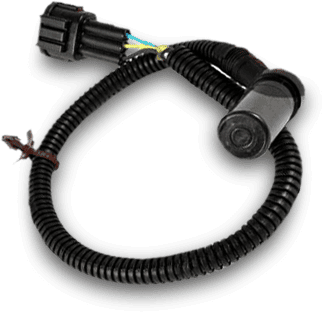
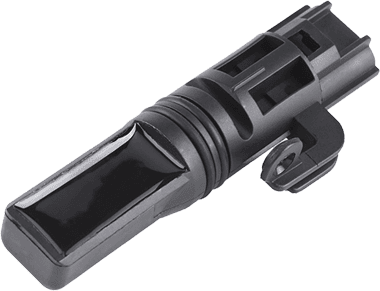
Similar search terms for FAE-79140-RPM-Sensor
Top-Angebote
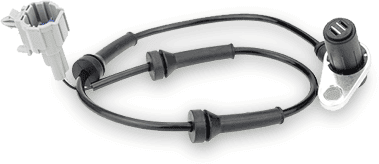
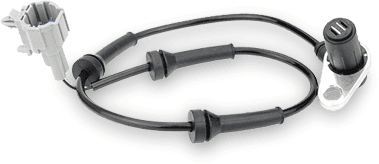
Products related to FAE-79140-RPM-Sensor:
-
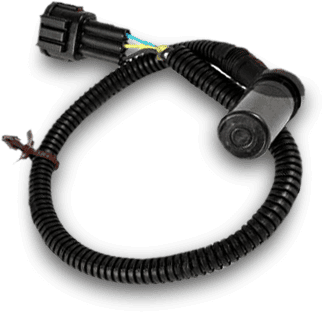
FAE 79008 RPM Sensor, engine managementTransmission Type: Automatic Transmission; Number of pins: 2; TecDoc Engine Number: 4193, 227, 235, 231, 224, 236, 233, 228, 302, 4139, 9367, 4989, 4004, 4980, 4979, 4963, 1068, 1011, 1012, 1071, 1024, 1843, 1844, 1848, 1850, 3596, 3570, 9384, 5537, 892, 1069, 1008, 4615, 1847, 3576, 14128, 13775, 15335, 13776, 1852, 14917, 5109, 17559, 222, 238, 214, 4981, 14148, 16412, 13950, 241, 5106, 9990, 5073, 15629, 16237, 1009, 13929, 5497, 11497, 12950, 13953, 13774, 11356, 9516, 13932, 5557, 9517, 15329, 11368, 4202, 9518, 13949, 13952, 4197, 13951, 10887, 10813, 14909, 12951, 239, 9450, 15494, 12029, 12488, 9991, 9470, 11347, 11088, 12107, 13394, 11448, 12648, 11592, 9451, 12509, 12510, 15339, 15338, 17157, 17033, 15312, 17034, 14919, 13948, 14916, 14588, 1849, 1845, 1842, 15349, 15345, 17863, 15475, 11527, 15616, 15617, 15748, 11360, 16068, 15346, 16410, 16384, 15328, 15348, 16432, 16242, 16243, 16244, 17035, 16411, 13954, 16728, 15331, 16729, 16730, 16859, 17168, 17864, 16516, 18010, 17336, 9386; Vehicle Identification Number (VIN) to: 1CX499000, 9CX999000, 8L-X-090000, 1M-X-025000; Engine Code: AWN, BJH, BKB43,99 £*Shipping: 8,45 £Secure redirect to the provider
-
FAE 79031 RPM Sensor, engine managementNumber of pins: 2; Supplementary Article / Supplementary Info Info 2: without cable; Connector Shape: oval; Construction Year to: 06/2008, 03/2009, 10/2002, 02/1999, 02/2001, 12/2007, 06/2014, 04/2003, 10/2007, 05/2005, 09/2005, 10/2009, 12/2006, 12/2015, 10/2005, 12/2016, 05/2009; TecDoc Engine Number: 26066, 18295, 11428, 16354, 17431, 16190, 16305, 16219, 16339, 17498, 16341, 16347, 21137, 21139, 16343, 16358, 33024, 21134, 16344, 17488, 18290, 21138; Construction Year from: 06/1998, 03/1999, 07/1998, 04/1999, 01/1998, 09/1999, 11/2002, 03/2005, 10/2003, 05/2004, 11/2005, 01/2001, 04/200829,99 £*Shipping: 8,45 £Secure redirect to the provider
-
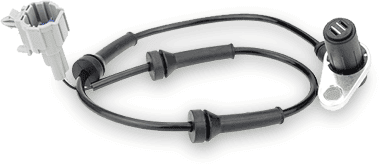
PREXAparts P101049 Sensor, RPMTecDoc Engine Number: 23178, 24600, 23179, 24835, 25403, 24941, 23858, 25739, 20828, 23938, 23859, 20825, 24326, 24598, 23587, 24315, 21070, 20799, 22176, 20949, 20798, 20598, 24314, 22715, 24333, 22674, 23857, 20939, 24125, 26329, 26330, 20905, 26713, 24473, 24943, 20864, 24406, 23590, 23589, 24839, 23584, 23585, 23588, 24215, 27529, 27985, 26990, 28002, 23411, 23412; Engine Code: CJCB; Vehicle Identification Number (VIN) from: 1K-9-250 00120,99 £*Shipping: 8,45 £Secure redirect to the provider

-
Why is there no performance at high RPM?
There could be several reasons for a lack of performance at high RPM. One common reason is that the engine may not be receiving enough air or fuel at high RPM, leading to a lack of power. This could be due to a clogged air filter, a malfunctioning fuel pump, or a restricted fuel line. Another possibility is that the engine may be overheating at high RPM, causing it to lose power. Additionally, issues with the ignition system, such as faulty spark plugs or a failing ignition coil, could also lead to poor performance at high RPM. Regular maintenance and troubleshooting can help identify and address these issues to improve performance at high RPM. **
-
Is an inductive sensor active or passive?
An inductive sensor is an active sensor. It works by generating an electromagnetic field and detecting changes in that field caused by the presence of a target object. This means that it requires power to generate the electromagnetic field and to process the signals received from the field, making it an active sensor. **
-
What saves fuel: Accelerating quickly at high RPM or slowly at low RPM?
Accelerating slowly at low RPM saves fuel compared to accelerating quickly at high RPM. When you accelerate quickly at high RPM, the engine has to work harder and consumes more fuel to generate the power needed for acceleration. On the other hand, accelerating slowly at low RPM allows the engine to operate more efficiently and consume less fuel. Additionally, accelerating slowly can also reduce wear and tear on the engine components, leading to potential long-term fuel savings. **
-
What saves fuel: Accelerating quickly with high RPM or slowly with low RPM?
Accelerating slowly with low RPM saves fuel compared to accelerating quickly with high RPM. When you accelerate quickly, the engine has to work harder and burn more fuel to reach higher speeds. On the other hand, accelerating slowly with low RPM allows the engine to operate more efficiently and consume less fuel. Additionally, maintaining a steady speed once you reach your desired velocity can also help save fuel. **

How many RPM are okay?
The appropriate RPM (revolutions per minute) for a vehicle can vary depending on the make and model. However, a general guideline is to aim for around 2,000-3,000 RPM while driving at highway speeds. This range allows the engine to operate efficiently without putting too much strain on it. It's important to consult your vehicle's manual for specific recommendations on RPM levels. **
Is RPM or APT better?
The choice between RPM and APT often comes down to personal preference and the specific Linux distribution being used. RPM is the package manager used by Red Hat-based distributions like Fedora and CentOS, while APT is used by Debian-based distributions like Ubuntu. Both package managers have their strengths and weaknesses, so it ultimately depends on the user's familiarity with the system and the specific needs of the project. **
Top-Angebote
Products related to FAE-79140-RPM-Sensor:
-
FAE 79008 RPM Sensor, engine managementTransmission Type: Automatic Transmission; Number of pins: 2; TecDoc Engine Number: 4193, 227, 235, 231, 224, 236, 233, 228, 302, 4139, 9367, 4989, 4004, 4980, 4979, 4963, 1068, 1011, 1012, 1071, 1024, 1843, 1844, 1848, 1850, 3596, 3570, 9384, 5537, 892, 1069, 1008, 4615, 1847, 3576, 14128, 13775, 15335, 13776, 1852, 14917, 5109, 17559, 222, 238, 214, 4981, 14148, 16412, 13950, 241, 5106, 9990, 5073, 15629, 16237, 1009, 13929, 5497, 11497, 12950, 13953, 13774, 11356, 9516, 13932, 5557, 9517, 15329, 11368, 4202, 9518, 13949, 13952, 4197, 13951, 10887, 10813, 14909, 12951, 239, 9450, 15494, 12029, 12488, 9991, 9470, 11347, 11088, 12107, 13394, 11448, 12648, 11592, 9451, 12509, 12510, 15339, 15338, 17157, 17033, 15312, 17034, 14919, 13948, 14916, 14588, 1849, 1845, 1842, 15349, 15345, 17863, 15475, 11527, 15616, 15617, 15748, 11360, 16068, 15346, 16410, 16384, 15328, 15348, 16432, 16242, 16243, 16244, 17035, 16411, 13954, 16728, 15331, 16729, 16730, 16859, 17168, 17864, 16516, 18010, 17336, 9386; Vehicle Identification Number (VIN) to: 1CX499000, 9CX999000, 8L-X-090000, 1M-X-025000; Engine Code: AWN, BJH, BKB43,99 £*Shipping: 8,45 £Secure redirect to the provider
-
FAE 79031 RPM Sensor, engine managementNumber of pins: 2; Supplementary Article / Supplementary Info Info 2: without cable; Connector Shape: oval; Construction Year to: 06/2008, 03/2009, 10/2002, 02/1999, 02/2001, 12/2007, 06/2014, 04/2003, 10/2007, 05/2005, 09/2005, 10/2009, 12/2006, 12/2015, 10/2005, 12/2016, 05/2009; TecDoc Engine Number: 26066, 18295, 11428, 16354, 17431, 16190, 16305, 16219, 16339, 17498, 16341, 16347, 21137, 21139, 16343, 16358, 33024, 21134, 16344, 17488, 18290, 21138; Construction Year from: 06/1998, 03/1999, 07/1998, 04/1999, 01/1998, 09/1999, 11/2002, 03/2005, 10/2003, 05/2004, 11/2005, 01/2001, 04/200829,99 £*Shipping: 8,45 £Secure redirect to the provider
-
What is an FAE?
An FAE, or Field Application Engineer, is a technical expert who works for a company that sells complex technical products. FAEs are responsible for providing technical support to customers, helping them understand how to use the products effectively. They often work closely with sales teams to demonstrate the capabilities of the products and address any technical issues that may arise. FAEs play a crucial role in ensuring customer satisfaction and building strong relationships with clients. **
-
What is a FAE?
FAE stands for "Fetal Alcohol Effects" and refers to the range of physical, cognitive, and behavioral impairments that can occur in individuals who were prenatally exposed to alcohol but do not meet the full criteria for a diagnosis of Fetal Alcohol Syndrome (FAS). FAE is considered a milder form of FAS and can still have significant impacts on a person's development and functioning. Common characteristics of FAE may include learning difficulties, attention deficits, hyperactivity, and poor impulse control. It is important for individuals with FAE to receive appropriate support and interventions to help them reach their full potential. **
-
Why is there no performance at high RPM?
There could be several reasons for a lack of performance at high RPM. One common reason is that the engine may not be receiving enough air or fuel at high RPM, leading to a lack of power. This could be due to a clogged air filter, a malfunctioning fuel pump, or a restricted fuel line. Another possibility is that the engine may be overheating at high RPM, causing it to lose power. Additionally, issues with the ignition system, such as faulty spark plugs or a failing ignition coil, could also lead to poor performance at high RPM. Regular maintenance and troubleshooting can help identify and address these issues to improve performance at high RPM. **
-
Is an inductive sensor active or passive?
An inductive sensor is an active sensor. It works by generating an electromagnetic field and detecting changes in that field caused by the presence of a target object. This means that it requires power to generate the electromagnetic field and to process the signals received from the field, making it an active sensor. **
Similar search terms for FAE-79140-RPM-Sensor
-
PREXAparts P101049 Sensor, RPMTecDoc Engine Number: 23178, 24600, 23179, 24835, 25403, 24941, 23858, 25739, 20828, 23938, 23859, 20825, 24326, 24598, 23587, 24315, 21070, 20799, 22176, 20949, 20798, 20598, 24314, 22715, 24333, 22674, 23857, 20939, 24125, 26329, 26330, 20905, 26713, 24473, 24943, 20864, 24406, 23590, 23589, 24839, 23584, 23585, 23588, 24215, 27529, 27985, 26990, 28002, 23411, 23412; Engine Code: CJCB; Vehicle Identification Number (VIN) from: 1K-9-250 00120,99 £*Shipping: 8,45 £Secure redirect to the provider
-
What saves fuel: Accelerating quickly at high RPM or slowly at low RPM?
Accelerating slowly at low RPM saves fuel compared to accelerating quickly at high RPM. When you accelerate quickly at high RPM, the engine has to work harder and consumes more fuel to generate the power needed for acceleration. On the other hand, accelerating slowly at low RPM allows the engine to operate more efficiently and consume less fuel. Additionally, accelerating slowly can also reduce wear and tear on the engine components, leading to potential long-term fuel savings. **
-
What saves fuel: Accelerating quickly with high RPM or slowly with low RPM?
Accelerating slowly with low RPM saves fuel compared to accelerating quickly with high RPM. When you accelerate quickly, the engine has to work harder and burn more fuel to reach higher speeds. On the other hand, accelerating slowly with low RPM allows the engine to operate more efficiently and consume less fuel. Additionally, maintaining a steady speed once you reach your desired velocity can also help save fuel. **
-
How many RPM are okay?
The appropriate RPM (revolutions per minute) for a vehicle can vary depending on the make and model. However, a general guideline is to aim for around 2,000-3,000 RPM while driving at highway speeds. This range allows the engine to operate efficiently without putting too much strain on it. It's important to consult your vehicle's manual for specific recommendations on RPM levels. **
-
Is RPM or APT better?
The choice between RPM and APT often comes down to personal preference and the specific Linux distribution being used. RPM is the package manager used by Red Hat-based distributions like Fedora and CentOS, while APT is used by Debian-based distributions like Ubuntu. Both package managers have their strengths and weaknesses, so it ultimately depends on the user's familiarity with the system and the specific needs of the project. **
* All prices are inclusive of VAT and, if applicable, plus shipping costs. The offer information is based on the details provided by the respective shop and is updated through automated processes. Real-time updates do not occur, so deviations can occur in individual cases. ** Note: Parts of this content were created by AI.