Buy designtomove.eu ?
We are moving the project
designtomove.eu .
Are you interested in purchasing the domain
designtomove.eu ?
domain@kv-gmbh.de · 0541-91531010
Buy designtomove.eu ?
Is the turbocharger active while idling?
No, the turbocharger is not active while idling. The turbocharger operates by using exhaust gases to spin a turbine, which in turn compresses air and increases the engine's power output. Since the engine is not producing significant exhaust gases while idling, the turbocharger is not actively boosting the engine's performance during this time. **
Is the turbocharger active while standing still?
No, the turbocharger is not active while the vehicle is standing still. The turbocharger relies on exhaust gases to spin the turbine and compress air into the engine. When the vehicle is not moving, there is no exhaust gas flow, so the turbocharger is not operating. It only becomes active when the engine is running and generating exhaust gases. **
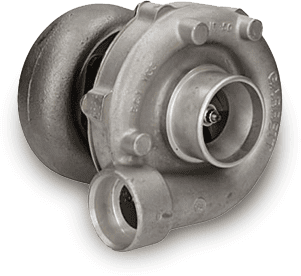
Similar search terms for Henkel-Parts-5111083R-Turbocharger
Top-Angebote
Products related to Henkel-Parts-5111083R-Turbocharger:
-
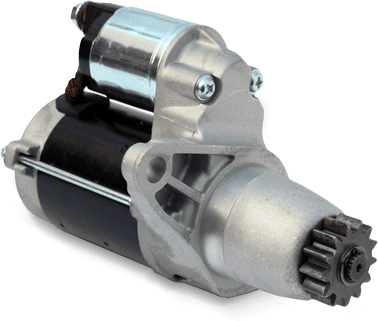
Henkel Parts 3120815 AlternatorVehicle Electrical System Design: for vehicles with 12-volt electrical system; Quality: Valeo New; Number of grooves: 7; Voltage [V]: 12; Alternator Charging Current [A]: 180; Construction Year to: 12/2012, 12/2011, 08/2014, 01/2014, 12/2010; Vehicle type: 461305/461333, 461340/461392, 212020, 211220/211620, 251022/251122/251125, 906631, 251026/251121/251126, 251022/251122, GL320, GL350, 212220; not for special equipment code: XQ1, XQ2, XQ3, XQ7, XQ8, XQ9, B03, U42, U77; Vehicle Equipment: for vehicles without start-stop function; Engine Code: 642850; for special equipment code: 808, 809, 800, 801, 802; for model year: 2011, 2010; Construction Year from: 03/2008, 04/2008, 09/2008, 11/2007, 05/2008, 03/2010; not for country specific design: Japan; Vehicle Identification Number (VIN) from: A080335, X175013; Manufacturer Restriction: VALEO469,99 £*Shipping: 1,99 £Secure redirect to the provider


-
Is the turbocharger active when the vehicle is stationary?
No, the turbocharger is not active when the vehicle is stationary. The turbocharger relies on exhaust gases to spin the turbine and compress air into the engine. Since the engine is not producing exhaust gases when the vehicle is stationary, the turbocharger remains inactive. It only becomes active when the engine is running and producing exhaust gases. **
-
Where is the turbocharger?
The turbocharger is typically located between the engine and the exhaust system. It is connected to the exhaust manifold and uses exhaust gases to spin a turbine, which in turn compresses air and forces it into the engine's intake manifold. This compressed air allows for more fuel to be burned, resulting in increased power and efficiency. **
-
What training opportunities are available at Henkel or ThyssenKrupp?
Both Henkel and ThyssenKrupp offer a variety of training opportunities for their employees. Henkel provides a range of development programs, including leadership and functional training, as well as opportunities for international assignments and job rotations. ThyssenKrupp offers apprenticeship programs, vocational training, and opportunities for further education and professional development. Both companies are committed to investing in the growth and development of their employees, providing them with the skills and knowledge they need to succeed in their careers. **
-
How is the turbocharger lubricated?
The turbocharger is lubricated by the engine's oil system. The oil is supplied to the turbocharger through a dedicated oil feed line, which delivers pressurized oil to the bearings and other moving parts within the turbocharger. This lubrication helps reduce friction and heat, allowing the turbocharger to operate efficiently and reliably. It is important to use high-quality oil and to maintain proper oil levels and change intervals to ensure the turbocharger remains properly lubricated. **


What is an illegal turbocharger?
An illegal turbocharger is a turbocharger that has been modified or installed in a way that violates local laws or regulations. This could include using a turbocharger that exceeds the legal size or boost limits, or installing a turbocharger in a way that bypasses emissions controls. Illegal turbochargers can result in fines, vehicle impoundment, and other legal consequences. It's important to ensure that any modifications to a vehicle, including turbocharger installations, comply with local laws and regulations. **
Why does a turbocharger whistle?
A turbocharger whistles due to the sound of the compressed air being forced through the turbine blades. As the exhaust gases from the engine spin the turbine, it creates a high-pitched whistling sound as the air is compressed and forced into the engine's intake system. This whistling sound is a result of the high-speed rotation of the turbine and the pressure of the compressed air, and it is a characteristic sound of turbocharged engines. **
Top-Angebote
Products related to Henkel-Parts-5111083R-Turbocharger:
-
Henkel Parts 3120815 AlternatorVehicle Electrical System Design: for vehicles with 12-volt electrical system; Quality: Valeo New; Number of grooves: 7; Voltage [V]: 12; Alternator Charging Current [A]: 180; Construction Year to: 12/2012, 12/2011, 08/2014, 01/2014, 12/2010; Vehicle type: 461305/461333, 461340/461392, 212020, 211220/211620, 251022/251122/251125, 906631, 251026/251121/251126, 251022/251122, GL320, GL350, 212220; not for special equipment code: XQ1, XQ2, XQ3, XQ7, XQ8, XQ9, B03, U42, U77; Vehicle Equipment: for vehicles without start-stop function; Engine Code: 642850; for special equipment code: 808, 809, 800, 801, 802; for model year: 2011, 2010; Construction Year from: 03/2008, 04/2008, 09/2008, 11/2007, 05/2008, 03/2010; not for country specific design: Japan; Vehicle Identification Number (VIN) from: A080335, X175013; Manufacturer Restriction: VALEO469,99 £*Shipping: 1,99 £Secure redirect to the provider
-
Is the turbocharger active while idling?
No, the turbocharger is not active while idling. The turbocharger operates by using exhaust gases to spin a turbine, which in turn compresses air and increases the engine's power output. Since the engine is not producing significant exhaust gases while idling, the turbocharger is not actively boosting the engine's performance during this time. **
-
Is the turbocharger active while standing still?
No, the turbocharger is not active while the vehicle is standing still. The turbocharger relies on exhaust gases to spin the turbine and compress air into the engine. When the vehicle is not moving, there is no exhaust gas flow, so the turbocharger is not operating. It only becomes active when the engine is running and generating exhaust gases. **
-
Is the turbocharger active when the vehicle is stationary?
No, the turbocharger is not active when the vehicle is stationary. The turbocharger relies on exhaust gases to spin the turbine and compress air into the engine. Since the engine is not producing exhaust gases when the vehicle is stationary, the turbocharger remains inactive. It only becomes active when the engine is running and producing exhaust gases. **
-
Where is the turbocharger?
The turbocharger is typically located between the engine and the exhaust system. It is connected to the exhaust manifold and uses exhaust gases to spin a turbine, which in turn compresses air and forces it into the engine's intake manifold. This compressed air allows for more fuel to be burned, resulting in increased power and efficiency. **
Similar search terms for Henkel-Parts-5111083R-Turbocharger
-
What training opportunities are available at Henkel or ThyssenKrupp?
Both Henkel and ThyssenKrupp offer a variety of training opportunities for their employees. Henkel provides a range of development programs, including leadership and functional training, as well as opportunities for international assignments and job rotations. ThyssenKrupp offers apprenticeship programs, vocational training, and opportunities for further education and professional development. Both companies are committed to investing in the growth and development of their employees, providing them with the skills and knowledge they need to succeed in their careers. **
-
How is the turbocharger lubricated?
The turbocharger is lubricated by the engine's oil system. The oil is supplied to the turbocharger through a dedicated oil feed line, which delivers pressurized oil to the bearings and other moving parts within the turbocharger. This lubrication helps reduce friction and heat, allowing the turbocharger to operate efficiently and reliably. It is important to use high-quality oil and to maintain proper oil levels and change intervals to ensure the turbocharger remains properly lubricated. **
-
What is an illegal turbocharger?
An illegal turbocharger is a turbocharger that has been modified or installed in a way that violates local laws or regulations. This could include using a turbocharger that exceeds the legal size or boost limits, or installing a turbocharger in a way that bypasses emissions controls. Illegal turbochargers can result in fines, vehicle impoundment, and other legal consequences. It's important to ensure that any modifications to a vehicle, including turbocharger installations, comply with local laws and regulations. **
-
Why does a turbocharger whistle?
A turbocharger whistles due to the sound of the compressed air being forced through the turbine blades. As the exhaust gases from the engine spin the turbine, it creates a high-pitched whistling sound as the air is compressed and forced into the engine's intake system. This whistling sound is a result of the high-speed rotation of the turbine and the pressure of the compressed air, and it is a characteristic sound of turbocharged engines. **
* All prices are inclusive of VAT and, if applicable, plus shipping costs. The offer information is based on the details provided by the respective shop and is updated through automated processes. Real-time updates do not occur, so deviations can occur in individual cases. ** Note: Parts of this content were created by AI.