Buy designtomove.eu ?
We are moving the project
designtomove.eu .
Are you interested in purchasing the domain
designtomove.eu ?
domain@kv-gmbh.de · 0541-91531010
Buy designtomove.eu ?
What are ideas for a creative, innovative bottle?
One idea for a creative, innovative bottle could be a biodegradable bottle made from sustainable materials such as bamboo or recycled paper. Another idea could be a bottle with a built-in filtration system, allowing users to purify water on the go. Additionally, a bottle with a customizable LED display that can show personalized messages or designs could be a unique and innovative option. Finally, a bottle with a collapsible design for easy storage and portability could be a practical and creative solution. **
Is potassium citrate the same as potassium nitrate?
No, potassium citrate and potassium nitrate are not the same. Potassium citrate is a salt form of potassium and citric acid, often used as a supplement to treat low potassium levels or to prevent kidney stones. On the other hand, potassium nitrate is a chemical compound commonly used in fertilizers, food preservatives, and fireworks. While both contain potassium, they have different chemical compositions and uses. **
Similar search terms for Ifigen-Potassium-bottle-150
Top-Angebote
Products related to Ifigen-Potassium-bottle-150:


-
Is potassium perchlorate or potassium nitrate legal in Germany?
Potassium perchlorate is legal in Germany and can be purchased for certain uses such as in pyrotechnics and fireworks. However, it is regulated and requires a permit for purchase and use. On the other hand, potassium nitrate is also legal in Germany and is commonly used in fertilizers and as a food preservative. Both substances are regulated and their use is subject to specific laws and regulations in Germany. **
-
What do potassium permanganate and potassium iodide react to?
Potassium permanganate and potassium iodide react to form manganese dioxide (MnO2), potassium iodate (KIO3), and iodine (I2). This reaction is a redox reaction, where the potassium permanganate acts as the oxidizing agent and the potassium iodide acts as the reducing agent. The overall reaction can be represented as 2KMnO4 + 10Kl + 8H2SO4 → 2MnSO4 + 5K2SO4 + 8H2O + 5I2. This reaction is often used in chemistry demonstrations to produce a colorful display of changing colors as the reaction progresses. **
-
How can potassium chlorate be converted into potassium perchlorate?
Potassium chlorate can be converted into potassium perchlorate by a process called electrolysis. In this process, potassium chlorate is dissolved in water and then subjected to an electric current. This causes the chlorate ions to lose oxygen atoms and form perchlorate ions. The perchlorate ions then combine with potassium ions to form potassium perchlorate. This process allows for the conversion of potassium chlorate into potassium perchlorate through the use of electricity. **
-
What is correct: 150 or 150?
The correct answer is 150. **
What is the difference between potassium hydroxide and potassium hydroxide?
There seems to be a typo in your question. Potassium hydroxide and potassium hydroxide are the same compound. Potassium hydroxide is a strong base commonly used in various industrial processes, such as in the production of soaps and detergents. It is also known as caustic potash and has the chemical formula KOH. **
What is the difference between potassium atoms and potassium ions?
Potassium atoms are neutral particles that contain an equal number of protons and electrons. They have no net electrical charge. On the other hand, potassium ions are formed when potassium atoms lose one electron, resulting in a positive charge. This means that potassium ions have one less electron than protons, giving them a net positive charge. Therefore, the main difference between potassium atoms and potassium ions is the presence of an electrical charge. **
Top-Angebote
Products related to Ifigen-Potassium-bottle-150:
-
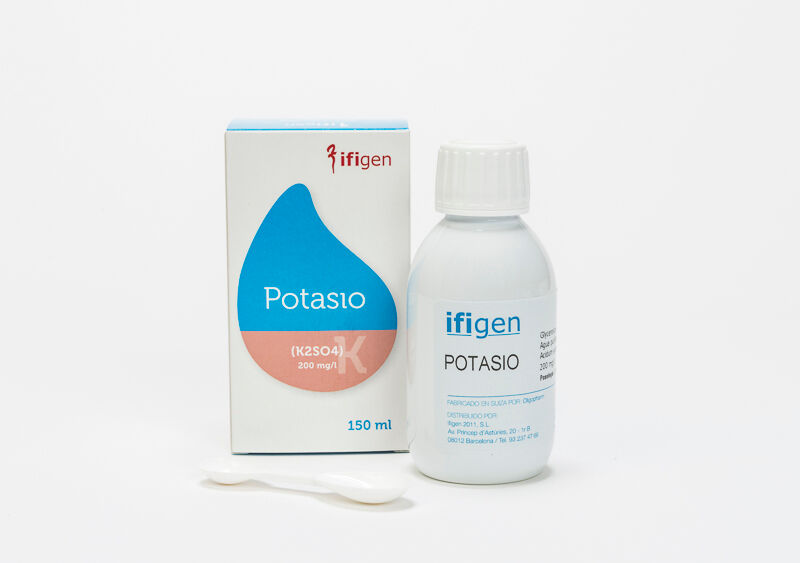
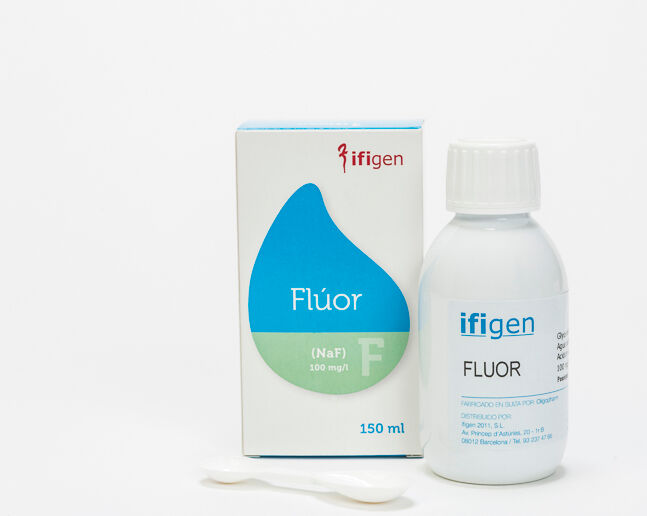
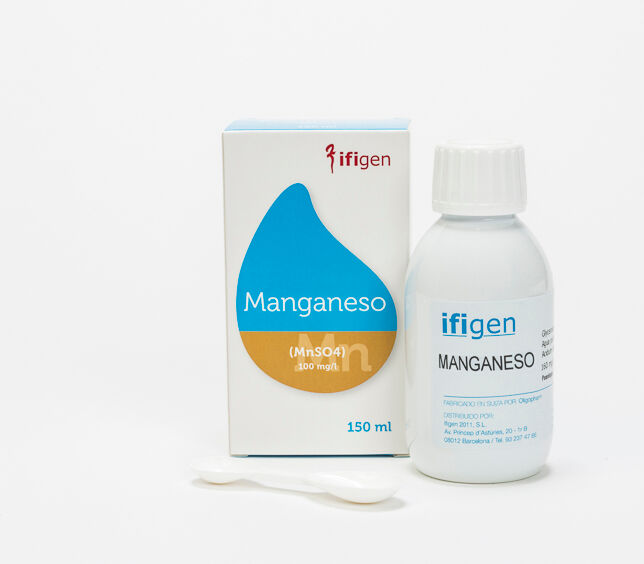
Ifigen Potassium bottle 150 ml 150 mlNutrition and Supplements Vitamins and minerals Ifigen Potassium bottle 150 ml 150 ml Potassium is a trace element that favors cellular and intracellular exchanges. Benefits for: - Water retention; the formula iodo-potassium-lithium-phosphorus is a polyvalent diuretic. - Osteoarthritis mechanisms (the biosynthesis of bone material is carried out from glucose G phosphate, which itself comes from glucose by an action of a hexo-kinase activated by potassium and magnesium) - Certain hypertension - Oliguria, rheumatism and all the abnormal tiredness of middle age (exhaustion). We can find it in fresh and dried fruits (especially in bananas), legumes and cereals. How to use: 2 ml a day. Eat outside of meals.14,58 £*Shipping: 3,99 £Secure redirect to the provider
-
What are ideas for a creative, innovative bottle?
One idea for a creative, innovative bottle could be a biodegradable bottle made from sustainable materials such as bamboo or recycled paper. Another idea could be a bottle with a built-in filtration system, allowing users to purify water on the go. Additionally, a bottle with a customizable LED display that can show personalized messages or designs could be a unique and innovative option. Finally, a bottle with a collapsible design for easy storage and portability could be a practical and creative solution. **
-
Is potassium citrate the same as potassium nitrate?
No, potassium citrate and potassium nitrate are not the same. Potassium citrate is a salt form of potassium and citric acid, often used as a supplement to treat low potassium levels or to prevent kidney stones. On the other hand, potassium nitrate is a chemical compound commonly used in fertilizers, food preservatives, and fireworks. While both contain potassium, they have different chemical compositions and uses. **
-
Is potassium perchlorate or potassium nitrate legal in Germany?
Potassium perchlorate is legal in Germany and can be purchased for certain uses such as in pyrotechnics and fireworks. However, it is regulated and requires a permit for purchase and use. On the other hand, potassium nitrate is also legal in Germany and is commonly used in fertilizers and as a food preservative. Both substances are regulated and their use is subject to specific laws and regulations in Germany. **
-
What do potassium permanganate and potassium iodide react to?
Potassium permanganate and potassium iodide react to form manganese dioxide (MnO2), potassium iodate (KIO3), and iodine (I2). This reaction is a redox reaction, where the potassium permanganate acts as the oxidizing agent and the potassium iodide acts as the reducing agent. The overall reaction can be represented as 2KMnO4 + 10Kl + 8H2SO4 → 2MnSO4 + 5K2SO4 + 8H2O + 5I2. This reaction is often used in chemistry demonstrations to produce a colorful display of changing colors as the reaction progresses. **
Similar search terms for Ifigen-Potassium-bottle-150
-
How can potassium chlorate be converted into potassium perchlorate?
Potassium chlorate can be converted into potassium perchlorate by a process called electrolysis. In this process, potassium chlorate is dissolved in water and then subjected to an electric current. This causes the chlorate ions to lose oxygen atoms and form perchlorate ions. The perchlorate ions then combine with potassium ions to form potassium perchlorate. This process allows for the conversion of potassium chlorate into potassium perchlorate through the use of electricity. **
-
What is correct: 150 or 150?
The correct answer is 150. **
-
What is the difference between potassium hydroxide and potassium hydroxide?
There seems to be a typo in your question. Potassium hydroxide and potassium hydroxide are the same compound. Potassium hydroxide is a strong base commonly used in various industrial processes, such as in the production of soaps and detergents. It is also known as caustic potash and has the chemical formula KOH. **
-
What is the difference between potassium atoms and potassium ions?
Potassium atoms are neutral particles that contain an equal number of protons and electrons. They have no net electrical charge. On the other hand, potassium ions are formed when potassium atoms lose one electron, resulting in a positive charge. This means that potassium ions have one less electron than protons, giving them a net positive charge. Therefore, the main difference between potassium atoms and potassium ions is the presence of an electrical charge. **
* All prices are inclusive of VAT and, if applicable, plus shipping costs. The offer information is based on the details provided by the respective shop and is updated through automated processes. Real-time updates do not occur, so deviations can occur in individual cases. ** Note: Parts of this content were created by AI.