Buy designtomove.eu ?
We are moving the project
designtomove.eu .
Are you interested in purchasing the domain
designtomove.eu ?
domain@kv-gmbh.de · 0541-91531010
Buy designtomove.eu ?
What is the expression for performance pressure in Japanese?
The expression for performance pressure in Japanese is "パフォーマンスプレッシャー" (pafo-mansu puressha). This term is used to describe the stress or anxiety that comes from the expectation to perform well in a particular situation, such as at work or in a competitive environment. It reflects the cultural emphasis on achievement and success in Japanese society, and the pressure that individuals may feel to meet these expectations. **
What is the term for performance pressure in Japanese?
The term for performance pressure in Japanese is "結果主義" (kekka shugi), which translates to a focus on results or outcomes. This term is often used to describe the high expectations and pressure to achieve success in various aspects of life, including academics, work, and personal relationships. In Japanese culture, there is a strong emphasis on achieving excellence and meeting societal standards, which can contribute to feelings of performance pressure. **
Similar search terms for Mimasa-Japanese-Hijiki-50Gr
Top-Angebote
Products related to Mimasa-Japanese-Hijiki-50Gr:
-
Mimasa Nori 25 gr - Japanese OriginNutrition and Supplements Prepared Dishes and Preserves Mimasa Nori 25 gr - Japanese Origin It is the ideal seaweed if you have never tried any. It is the only one that can be consumed without cooking , and for this reason it is used to prepare rolls of rice, vegetables or fish. There are more than 20 types of nori off the coast of Japan . It is the name of several species of red and green algae that grow in temperate waters of the Atlantic, Pacific, and Mediterranean. * Quantity : 25 gr5,27 £*Shipping: 3,99 £Secure redirect to the provider
-
Mimasa Kombu 50 gr - Japanese OriginNutrition and Supplements Prepared Dishes and Preserves Mimasa Kombu 50 gr - Japanese Origin It is a very popular food in the oriental diet, characterized by its great contribution of potassium . Kombu is the Japanese generic name for several types of seaweed, specifically seven of the Naga-kombu and Ma-kombu types, from the country's northern seas. * Quantity : 50 gr6,44 £*Shipping: 3,99 £Secure redirect to the provider
-
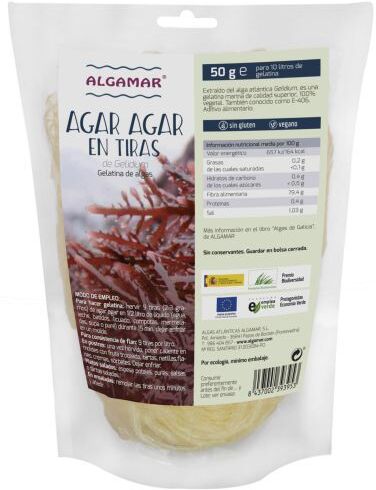
Algamar Agar Strips 50grNutrition and Supplements Prepared Dishes and Preserves Algamar Agar Strips 50gr It's the highest quality marine gelatin. This soluble fibre extracted from the algae Gelidium sesquipedale, has a neutral taste. Because of its great purity it is also used in research (microbiology). 100% vegetable. Satisfying and low in calories. How can we consume it? - To make gelatin: Boil 9 strips (about 2-3 grams) per 1/2 liter of liquid (water, milk, shakes, smoothie, compotes, jams, soup or puree) for 15 min. Let cool in a mold. - For custard consistency: 9 strips per one litre. Let it cool down. - In desserts: once boiled, put hot in molds with chopped fruit, cakes, custards, custards, creams, sorbets. Let it cool down. - Salted dishes: thick stews, purees, sauces or salted cakes. - In salads: soak the strips for a few minutes and add.3,57 £*Shipping: 4,99 £Secure redirect to the provider
-
Algamar Agar Flakes 50grNutrition and Supplements Prepared Dishes and Preserves Algamar Agar Flakes 50gr It's the highest quality marine gelatin. This soluble fibre extracted from the algae Gelidium sesquipedale, has a neutral taste. Because of its great purity it is also used in research (microbiology). 100% vegetable. Satisfying and low in calories. How can we consume it? - To make gelatin: Boil 9 strips (about 2-3 grams) per 1/2 liter of liquid (water, milk, shakes, smoothie, compotes, jams, soup or puree) for 15 min. Let cool in a mold. - For custard consistency: 9 strips per one litre. Let it cool down. - In desserts: once boiled, put hot in molds with chopped fruit, cakes, custards, custards, creams, sorbets. Let it cool down. - Salted dishes: thick stews, purees, sauces or salted cakes. - In salads: soak the strips for a few minutes and add.4,39 £*Shipping: 3,99 £Secure redirect to the provider


-
Which Japanese bands sing in Japanese?
Many Japanese bands sing in Japanese, as it is their native language. Some popular bands that sing in Japanese include One Ok Rock, Radwimps, Babymetal, and Arashi. Singing in Japanese allows these bands to connect with their local audience and express themselves in their mother tongue. **
-
How do you translate Japanese into Japanese?
Translating Japanese into Japanese involves converting the original Japanese text into a different form or style of Japanese. This can include simplifying complex language, adapting formal or informal speech patterns, or changing the tone of the text. It may also involve rephrasing sentences or using synonyms to convey the same meaning in a more natural or understandable way for the target audience. Overall, translating Japanese into Japanese requires a deep understanding of the language and cultural nuances to effectively convey the intended message. **
-
How do you say Japanese music in Japanese?
In Japanese, Japanese music is said as "Nihon no ongaku" (日本の音楽). **
-
Is anime in Japanese the same as normal Japanese?
Anime in Japanese is not the same as normal Japanese. While anime does use the Japanese language, it often includes exaggerated expressions, unique vocabulary, and informal speech that may not be commonly used in everyday conversation. Additionally, anime may also include cultural references and wordplay that may not be easily understood by non-native speakers. Therefore, while watching anime can be a fun way to learn Japanese, it's important to also study and practice standard Japanese to fully understand and communicate in the language. **


Why is the Japanese knife called a Japanese knife?
The term "Japanese knife" refers to a style of knife that originates from Japan and is known for its exceptional craftsmanship, sharpness, and precision. These knives are often made using traditional Japanese techniques and materials, such as high-carbon steel and layered Damascus steel. They also feature unique blade shapes and designs that are distinct to Japanese cutlery. The term "Japanese knife" is used to differentiate these knives from other styles of knives, such as Western-style knives, and to highlight their cultural and historical significance. **
French or Japanese?
It ultimately depends on personal preference and what you are looking for in terms of cuisine, culture, and language. French cuisine is known for its rich flavors and techniques, while Japanese cuisine is celebrated for its fresh ingredients and precision. Similarly, French culture is known for its art, fashion, and history, while Japanese culture is known for its traditions, technology, and attention to detail. Both offer unique experiences and it really comes down to what appeals to you more. **
Top-Angebote
Products related to Mimasa-Japanese-Hijiki-50Gr:
-
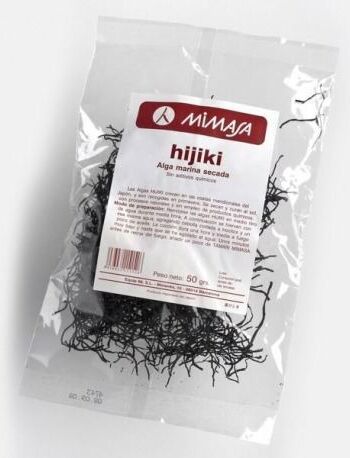
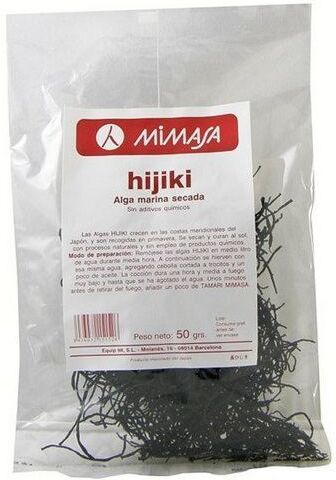
Mimasa Japanese Hijiki 50GrNutrition and Supplements Prepared Dishes and Preserves Mimasa Japanese Hijiki 50Gr IT IS SURPRISED BY ITS STRONG TASTE, BUT IT WILL BE DELICIOUS FOR YOU. CHILDREN AND PREGNANT MOTHERS CAN BENEFIT FROM ITS QUALITIES Hijiki seaweed has a very high calcium content and is also very rich in carotene or provitamin A. It is highly recommended for children and pregnant mothers . In Japan , hijiki seaweed is well known as an anti-aging treatment, since in addition to being cleansing, it is very convenient for strengthening bones, nails and hair. * Quantity : 50Gr4,95 £*Shipping: 3,99 £Secure redirect to the provider
-
Mimasa Nori 25 gr - Japanese OriginNutrition and Supplements Prepared Dishes and Preserves Mimasa Nori 25 gr - Japanese Origin It is the ideal seaweed if you have never tried any. It is the only one that can be consumed without cooking , and for this reason it is used to prepare rolls of rice, vegetables or fish. There are more than 20 types of nori off the coast of Japan . It is the name of several species of red and green algae that grow in temperate waters of the Atlantic, Pacific, and Mediterranean. * Quantity : 25 gr5,27 £*Shipping: 3,99 £Secure redirect to the provider
-
Mimasa Kombu 50 gr - Japanese OriginNutrition and Supplements Prepared Dishes and Preserves Mimasa Kombu 50 gr - Japanese Origin It is a very popular food in the oriental diet, characterized by its great contribution of potassium . Kombu is the Japanese generic name for several types of seaweed, specifically seven of the Naga-kombu and Ma-kombu types, from the country's northern seas. * Quantity : 50 gr6,44 £*Shipping: 3,99 £Secure redirect to the provider
-
What is the expression for performance pressure in Japanese?
The expression for performance pressure in Japanese is "パフォーマンスプレッシャー" (pafo-mansu puressha). This term is used to describe the stress or anxiety that comes from the expectation to perform well in a particular situation, such as at work or in a competitive environment. It reflects the cultural emphasis on achievement and success in Japanese society, and the pressure that individuals may feel to meet these expectations. **
-
What is the term for performance pressure in Japanese?
The term for performance pressure in Japanese is "結果主義" (kekka shugi), which translates to a focus on results or outcomes. This term is often used to describe the high expectations and pressure to achieve success in various aspects of life, including academics, work, and personal relationships. In Japanese culture, there is a strong emphasis on achieving excellence and meeting societal standards, which can contribute to feelings of performance pressure. **
-
Which Japanese bands sing in Japanese?
Many Japanese bands sing in Japanese, as it is their native language. Some popular bands that sing in Japanese include One Ok Rock, Radwimps, Babymetal, and Arashi. Singing in Japanese allows these bands to connect with their local audience and express themselves in their mother tongue. **
-
How do you translate Japanese into Japanese?
Translating Japanese into Japanese involves converting the original Japanese text into a different form or style of Japanese. This can include simplifying complex language, adapting formal or informal speech patterns, or changing the tone of the text. It may also involve rephrasing sentences or using synonyms to convey the same meaning in a more natural or understandable way for the target audience. Overall, translating Japanese into Japanese requires a deep understanding of the language and cultural nuances to effectively convey the intended message. **
Similar search terms for Mimasa-Japanese-Hijiki-50Gr
-
Algamar Agar Strips 50grNutrition and Supplements Prepared Dishes and Preserves Algamar Agar Strips 50gr It's the highest quality marine gelatin. This soluble fibre extracted from the algae Gelidium sesquipedale, has a neutral taste. Because of its great purity it is also used in research (microbiology). 100% vegetable. Satisfying and low in calories. How can we consume it? - To make gelatin: Boil 9 strips (about 2-3 grams) per 1/2 liter of liquid (water, milk, shakes, smoothie, compotes, jams, soup or puree) for 15 min. Let cool in a mold. - For custard consistency: 9 strips per one litre. Let it cool down. - In desserts: once boiled, put hot in molds with chopped fruit, cakes, custards, custards, creams, sorbets. Let it cool down. - Salted dishes: thick stews, purees, sauces or salted cakes. - In salads: soak the strips for a few minutes and add.3,57 £*Shipping: 4,99 £Secure redirect to the provider
-
Algamar Agar Flakes 50grNutrition and Supplements Prepared Dishes and Preserves Algamar Agar Flakes 50gr It's the highest quality marine gelatin. This soluble fibre extracted from the algae Gelidium sesquipedale, has a neutral taste. Because of its great purity it is also used in research (microbiology). 100% vegetable. Satisfying and low in calories. How can we consume it? - To make gelatin: Boil 9 strips (about 2-3 grams) per 1/2 liter of liquid (water, milk, shakes, smoothie, compotes, jams, soup or puree) for 15 min. Let cool in a mold. - For custard consistency: 9 strips per one litre. Let it cool down. - In desserts: once boiled, put hot in molds with chopped fruit, cakes, custards, custards, creams, sorbets. Let it cool down. - Salted dishes: thick stews, purees, sauces or salted cakes. - In salads: soak the strips for a few minutes and add.4,39 £*Shipping: 3,99 £Secure redirect to the provider
-
Tajin Habanero Powder 50grThis new flavour by Tajin comes to you is extra picante. Enjoy the habanero taste of Tajin seasoning on fruit, vegetables and snacks. Habanero chilli flavour with 100% natural lime. The habanero chilli has beneficial effects for health; its consumption can reduce the amount of cholesterol in the blood and decelerate the aging process. It contains more vitamin C than citrus fruit. Tajin Habanero is ideal for: meals, snacks, fruits, vegetables. As always, Tajin is Sugar-Free! Be aware, this stuff is really HOT and it's not a candy. Ingredients: habanero chili, ground chillies, salt, dehydrated lime juice and 0.5% silicon dioxide.3,95 £*Shipping: 3,90 £Secure redirect to the provider
-
Mimasa Polenta 500GrNutrition and Supplements Cereals, Pasta and Legumes Mimasa Polenta 500Gr It is perfect for a healthy and balanced diet since it is made up of coarsely dried corn, ground grain seeds. Corn is one of the important sources of carbohydrates , minerals and vitamins, it provides a lot of energy and nutrients.2,34 £*Shipping: 4,99 £Secure redirect to the provider
-
How do you say Japanese music in Japanese?
In Japanese, Japanese music is said as "Nihon no ongaku" (日本の音楽). **
-
Is anime in Japanese the same as normal Japanese?
Anime in Japanese is not the same as normal Japanese. While anime does use the Japanese language, it often includes exaggerated expressions, unique vocabulary, and informal speech that may not be commonly used in everyday conversation. Additionally, anime may also include cultural references and wordplay that may not be easily understood by non-native speakers. Therefore, while watching anime can be a fun way to learn Japanese, it's important to also study and practice standard Japanese to fully understand and communicate in the language. **
-
Why is the Japanese knife called a Japanese knife?
The term "Japanese knife" refers to a style of knife that originates from Japan and is known for its exceptional craftsmanship, sharpness, and precision. These knives are often made using traditional Japanese techniques and materials, such as high-carbon steel and layered Damascus steel. They also feature unique blade shapes and designs that are distinct to Japanese cutlery. The term "Japanese knife" is used to differentiate these knives from other styles of knives, such as Western-style knives, and to highlight their cultural and historical significance. **
-
French or Japanese?
It ultimately depends on personal preference and what you are looking for in terms of cuisine, culture, and language. French cuisine is known for its rich flavors and techniques, while Japanese cuisine is celebrated for its fresh ingredients and precision. Similarly, French culture is known for its art, fashion, and history, while Japanese culture is known for its traditions, technology, and attention to detail. Both offer unique experiences and it really comes down to what appeals to you more. **
* All prices are inclusive of VAT and, if applicable, plus shipping costs. The offer information is based on the details provided by the respective shop and is updated through automated processes. Real-time updates do not occur, so deviations can occur in individual cases. ** Note: Parts of this content were created by AI.