Buy designtomove.eu ?
We are moving the project
designtomove.eu .
Are you interested in purchasing the domain
designtomove.eu ?
domain@kv-gmbh.de · 0541-91531010
Buy designtomove.eu ?
Does Anthurium get brown spots?
Yes, Anthurium plants can develop brown spots on their leaves. This can be caused by a variety of factors including overwatering, underwatering, low humidity, or exposure to direct sunlight. It is important to monitor the plant's watering schedule, provide adequate humidity, and place the plant in a location with indirect sunlight to prevent the development of brown spots. Additionally, regularly wiping the leaves with a damp cloth can help to keep them clean and free from any potential issues. **
How do monoculture forests differ from natural mixed forests?
Monoculture forests are composed of a single species of tree, typically planted in rows for commercial purposes such as timber production. These forests lack the diversity of species found in natural mixed forests, which contain a variety of tree species, as well as other plants and wildlife. Natural mixed forests are more resilient to pests, diseases, and climate change, as the diversity of species provides a more stable ecosystem. Monoculture forests are more vulnerable to these threats, as a single pest or disease can devastate the entire forest. **

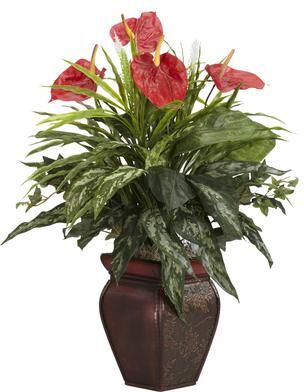
Similar search terms for Nearly-Natural-Anthurium-Mixed
Top-Angebote
Products related to Nearly-Natural-Anthurium-Mixed:
-
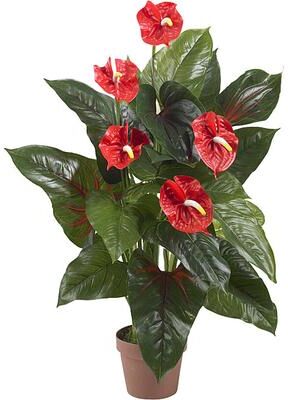
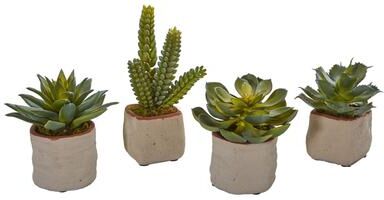
Nearly Natural Mixed Succulent Artificial Plant (Set of 4)Each placed in its own decorative planter, this group of mixed artificial succulent plants comes in a set of four. The set features four thick, realistic succulent plants that are green with a slight tint of yellow to them for added realism.59,92 $*Shipping: 0,00 $Secure redirect to the provider
-
Nearly Natural "30"" Mixed Bougainvillea Artificial Plant Hanging Basket"Coming in a decorative hanging basket, this bougainvillea artificial plant has beautiful, lifelike purple and white flowers that are intertwined with realistic green leaves. The natural appeal of the piece will add some much-needed life into your...74,25 $*Shipping: 0,00 $Secure redirect to the provider
-
Nearly Natural Mixed Greens and Cattails in Stand PlanterArranged in a beautiful stand planter, this beautiful mixed greens and cattails plant features an explosion of lush greenery with varying colors and textures, making this leafy composition a refreshing accent to your home or office decor.170,42 $*Shipping: 0,00 $Secure redirect to the provider


-
What are the abiotic differences between natural mixed forests and monocultures?
Natural mixed forests have a greater diversity of abiotic factors such as soil types, moisture levels, and microclimates, leading to a wider range of environmental conditions for different species to thrive. In contrast, monocultures have a more uniform abiotic environment, with consistent soil type, moisture levels, and microclimates. This can lead to less resilience to environmental changes and a higher susceptibility to pests and diseases. Additionally, natural mixed forests tend to have a more complex and interconnected root system, which can improve soil structure and nutrient cycling, while monocultures may have a more simplified and less resilient root system. **
-
How do Anthurium flowers turn beautiful red?
Anthurium flowers turn beautiful red due to the presence of pigments called anthocyanins. These pigments are responsible for the red, pink, and purple colors in many flowers, fruits, and vegetables. The intensity of the red color in Anthurium flowers can be influenced by factors such as light exposure, temperature, and soil pH. When these factors are optimal, the anthocyanins in the flowers become more concentrated, resulting in the vibrant red color that Anthuriums are known for. **
-
What is the exact difference between Anthurium plants?
The exact difference between Anthurium plants lies in their unique characteristics such as leaf shape, size, color, and flower structure. Different Anthurium varieties have distinct features like heart-shaped leaves, glossy foliage, and a wide range of flower colors including red, pink, white, and orange. Some Anthurium plants may also have different growth habits, such as compact or trailing, and varying requirements for light, water, and humidity levels. Overall, the differences between Anthurium plants make each variety special and appealing to different preferences. **
-
Can you make a nearly empty felt-tip pen functional again?
Yes, you can make a nearly empty felt-tip pen functional again by trying a few methods. One way is to soak the tip of the pen in warm water to help rehydrate the dried-out ink. Another method is to gently shake or tap the pen to try to get the ink flowing again. If these methods don't work, you can also try removing the tip of the pen and soaking it in rubbing alcohol to dissolve any dried ink clogging the tip. **

What is the exact difference between the plants Anthurium?
The exact difference between Anthurium plants lies in their unique characteristics such as leaf shape, flower color, and growth habits. For example, Anthurium andraeanum, also known as the flamingo lily, is known for its heart-shaped, glossy leaves and vibrant red, pink, or white flowers. On the other hand, Anthurium scherzerianum, or the flamingo flower, has more elongated, waxy leaves and produces bright red, orange, or pink flowers. Additionally, Anthurium crystallinum is recognized for its large, velvety, dark green leaves with silver veins and a unique, white spadix. Each Anthurium plant has its own distinct features that set it apart from the others. **
Is it possible to make a nearly empty felt-tip pen functional again?
Yes, it is possible to make a nearly empty felt-tip pen functional again. One method is to try soaking the tip of the pen in warm water to help rehydrate the ink. Another option is to carefully remove the tip of the pen and add a few drops of water or rubbing alcohol to the ink reservoir to help revive the ink. Additionally, gently shaking the pen or tapping it on a hard surface may help redistribute the remaining ink and make the pen usable again. **
Top-Angebote
Products related to Nearly-Natural-Anthurium-Mixed:
-
Nearly Natural Mixed Succulent Artificial Plant (Set of 4)Each placed in its own decorative planter, this group of mixed artificial succulent plants comes in a set of four. The set features four thick, realistic succulent plants that are green with a slight tint of yellow to them for added realism.59,92 $*Shipping: 0,00 $Secure redirect to the provider
-
Does Anthurium get brown spots?
Yes, Anthurium plants can develop brown spots on their leaves. This can be caused by a variety of factors including overwatering, underwatering, low humidity, or exposure to direct sunlight. It is important to monitor the plant's watering schedule, provide adequate humidity, and place the plant in a location with indirect sunlight to prevent the development of brown spots. Additionally, regularly wiping the leaves with a damp cloth can help to keep them clean and free from any potential issues. **
-
How do monoculture forests differ from natural mixed forests?
Monoculture forests are composed of a single species of tree, typically planted in rows for commercial purposes such as timber production. These forests lack the diversity of species found in natural mixed forests, which contain a variety of tree species, as well as other plants and wildlife. Natural mixed forests are more resilient to pests, diseases, and climate change, as the diversity of species provides a more stable ecosystem. Monoculture forests are more vulnerable to these threats, as a single pest or disease can devastate the entire forest. **
-
What are the abiotic differences between natural mixed forests and monocultures?
Natural mixed forests have a greater diversity of abiotic factors such as soil types, moisture levels, and microclimates, leading to a wider range of environmental conditions for different species to thrive. In contrast, monocultures have a more uniform abiotic environment, with consistent soil type, moisture levels, and microclimates. This can lead to less resilience to environmental changes and a higher susceptibility to pests and diseases. Additionally, natural mixed forests tend to have a more complex and interconnected root system, which can improve soil structure and nutrient cycling, while monocultures may have a more simplified and less resilient root system. **
-
How do Anthurium flowers turn beautiful red?
Anthurium flowers turn beautiful red due to the presence of pigments called anthocyanins. These pigments are responsible for the red, pink, and purple colors in many flowers, fruits, and vegetables. The intensity of the red color in Anthurium flowers can be influenced by factors such as light exposure, temperature, and soil pH. When these factors are optimal, the anthocyanins in the flowers become more concentrated, resulting in the vibrant red color that Anthuriums are known for. **
Similar search terms for Nearly-Natural-Anthurium-Mixed
-
Nearly Natural "30"" Mixed Bougainvillea Artificial Plant Hanging Basket"Coming in a decorative hanging basket, this bougainvillea artificial plant has beautiful, lifelike purple and white flowers that are intertwined with realistic green leaves. The natural appeal of the piece will add some much-needed life into your...74,25 $*Shipping: 0,00 $Secure redirect to the provider
-
Nearly Natural Mixed Greens and Cattails in Stand PlanterArranged in a beautiful stand planter, this beautiful mixed greens and cattails plant features an explosion of lush greenery with varying colors and textures, making this leafy composition a refreshing accent to your home or office decor.170,42 $*Shipping: 0,00 $Secure redirect to the provider
-
Nearly Natural Mixed Spathifyllum Artificial Plant in White Tower VaseThis 3' mixed spathifyllum is skillfully arranged to bring some calm to this wild, exciting artificial plant. With various green leaves and white blooms, it is certainty hard to know what beautiful feature you should focus on.84,23 $*Shipping: 0,00 $Secure redirect to the provider
-
What is the exact difference between Anthurium plants?
The exact difference between Anthurium plants lies in their unique characteristics such as leaf shape, size, color, and flower structure. Different Anthurium varieties have distinct features like heart-shaped leaves, glossy foliage, and a wide range of flower colors including red, pink, white, and orange. Some Anthurium plants may also have different growth habits, such as compact or trailing, and varying requirements for light, water, and humidity levels. Overall, the differences between Anthurium plants make each variety special and appealing to different preferences. **
-
Can you make a nearly empty felt-tip pen functional again?
Yes, you can make a nearly empty felt-tip pen functional again by trying a few methods. One way is to soak the tip of the pen in warm water to help rehydrate the dried-out ink. Another method is to gently shake or tap the pen to try to get the ink flowing again. If these methods don't work, you can also try removing the tip of the pen and soaking it in rubbing alcohol to dissolve any dried ink clogging the tip. **
-
What is the exact difference between the plants Anthurium?
The exact difference between Anthurium plants lies in their unique characteristics such as leaf shape, flower color, and growth habits. For example, Anthurium andraeanum, also known as the flamingo lily, is known for its heart-shaped, glossy leaves and vibrant red, pink, or white flowers. On the other hand, Anthurium scherzerianum, or the flamingo flower, has more elongated, waxy leaves and produces bright red, orange, or pink flowers. Additionally, Anthurium crystallinum is recognized for its large, velvety, dark green leaves with silver veins and a unique, white spadix. Each Anthurium plant has its own distinct features that set it apart from the others. **
-
Is it possible to make a nearly empty felt-tip pen functional again?
Yes, it is possible to make a nearly empty felt-tip pen functional again. One method is to try soaking the tip of the pen in warm water to help rehydrate the ink. Another option is to carefully remove the tip of the pen and add a few drops of water or rubbing alcohol to the ink reservoir to help revive the ink. Additionally, gently shaking the pen or tapping it on a hard surface may help redistribute the remaining ink and make the pen usable again. **
* All prices are inclusive of VAT and, if applicable, plus shipping costs. The offer information is based on the details provided by the respective shop and is updated through automated processes. Real-time updates do not occur, so deviations can occur in individual cases. ** Note: Parts of this content were created by AI.