Buy designtomove.eu ?
We are moving the project
designtomove.eu .
Are you interested in purchasing the domain
designtomove.eu ?
domain@kv-gmbh.de · 0541-91531010
Buy designtomove.eu ?
How do you transform English active sentences into passive sentences?
To transform English active sentences into passive sentences, you typically move the object of the active sentence to the subject position in the passive sentence. The subject of the active sentence becomes the agent in the passive sentence, and the verb is changed to a passive form (usually a form of "be" followed by the past participle of the main verb). Additionally, the original subject of the active sentence can be included in the passive sentence with a preposition such as "by." **
How do you change English active sentences into passive sentences?
To change an English active sentence into a passive sentence, you need to make the object of the active sentence the subject of the passive sentence. The subject of the active sentence becomes the agent in the passive sentence (if included). The verb in the active sentence is changed to a form of 'be' followed by the past participle of the main verb. Additionally, any prepositions or other necessary words should be included in the passive construction. **


Similar search terms for Sentences
Top-Angebote
Products related to Sentences:
-
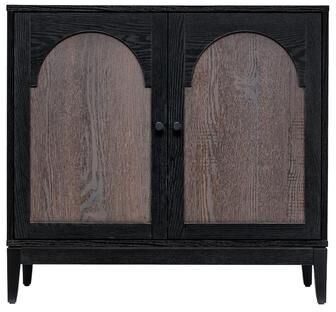
Sango Arch 2 Door Cabinet - Black, Stylish and Functional StorageAdd a touch of modern sophistication to your home with the Sango Arch 2-Door Accent Cabinet, a striking black and brown storage piece that blends timeless design with practical utility.229,00 $*Shipping: 0,00 $Secure redirect to the provider
-
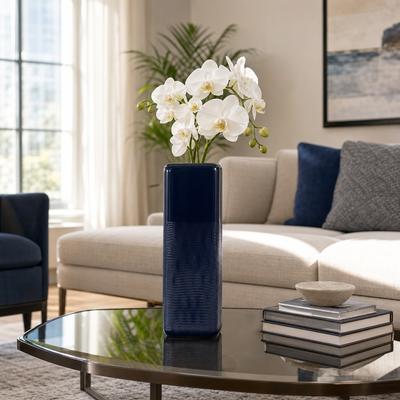
Sagebrook Home Ceramic Vase, Versatile Home Accents for Stylish DecorSimplicity never goes out of style! Add this pretty and stylish vase to any home or office for a trendy, easy style upgrade. This particular vase comes in a unique grooved design in a solid color.55,27 $*Shipping: 0,00 $Secure redirect to the provider
-
Sagebrook Home Ceramic Vase, Versatile Home Accents for Stylish DecorSimplicity never goes out of style! Add this pretty and stylish vase to any home or office for a trendy, easy style upgrade. This particular vase comes in a unique grooved design in a solid ivory/beige color.43,44 $*Shipping: 0,00 $Secure redirect to the provider
-
Sagebrook Home Ceramic Vase, Versatile Home Accents for Stylish DecorSimplicity never goes out of style! Add this pretty and stylish vase to any home or office for a trendy, easy style upgrade. This particular vase comes in a unique grooved design in a solid ivory/beige color.30,74 $*Shipping: 0,00 $Secure redirect to the provider



-
How do you transform active sentences into passive sentences and vice versa?
To transform an active sentence into a passive sentence, you need to make the object of the active sentence the subject of the passive sentence and vice versa. You also need to change the verb form to the passive voice by using a form of the verb 'to be' along with the past participle of the main verb. Additionally, you may need to include the original subject of the active sentence as the agent in the passive sentence, using the preposition 'by'. To transform a passive sentence into an active sentence, you need to make the subject of the passive sentence the object of the active sentence and vice versa. You also need to change the verb form to the active voice by using the appropriate tense of the main verb. **
-
Can you convert passive sentences to active sentences and vice versa in German?
Yes, it is possible to convert passive sentences to active sentences and vice versa in German. In German, passive sentences are formed using the auxiliary verb "werden" and the past participle of the main verb, while active sentences have a subject performing the action. To convert a passive sentence to an active one, the subject of the passive sentence becomes the subject of the active sentence, and the past participle is replaced with the appropriate conjugated form of the main verb. Similarly, to convert an active sentence to a passive one, the subject of the active sentence becomes the agent in the passive sentence, and the main verb is replaced with the past participle and the appropriate form of "werden." **
-
How can one recognize active and passive sentences?
Active sentences typically have the subject performing the action, followed by the verb and then the object. For example, "The dog chased the cat." In passive sentences, the object of the action becomes the subject of the sentence, and the verb is often accompanied by a form of "to be" (such as "is," "was," "were," etc.) and the past participle of the main verb. For example, "The cat was chased by the dog." By identifying the subject, verb, and object in a sentence, one can determine whether it is active or passive. **
-
How can one transform active and passive sentences?
One can transform active sentences into passive sentences by changing the position of the subject and the object, and using the appropriate form of the verb "to be" along with the past participle of the main verb. For example, "The dog chased the cat" can be transformed into "The cat was chased by the dog." To transform passive sentences into active sentences, one can identify the subject performing the action and make it the new subject of the sentence, while changing the verb to its active form. For example, "The cake was baked by Mary" can be transformed into "Mary baked the cake." **

Series of sentences or complex sentences?
It depends on the context and the purpose of the writing. Series of sentences are more straightforward and easier to understand, making them suitable for conveying simple ideas or information. On the other hand, complex sentences are more sophisticated and can convey more nuanced or detailed information, making them suitable for more formal or academic writing. Ultimately, the choice between series of sentences and complex sentences should be based on the complexity of the content being communicated and the intended audience. **
Can you convert two sentences into the active form?
Sure! Here are two sentences converted into the active form: Passive: The cake was baked by Sarah. Active: Sarah baked the cake. Passive: The book was written by the author. Active: The author wrote the book. **
Top-Angebote
Products related to Sentences:
-
Sagebrook Home Ceramic Vase, Versatile Home Accents for Stylish DecorSimplicity never goes out of style! Add this pretty and stylish vase to any home or office for a trendy, easy style upgrade. This particular vase comes in a unique grooved design in a solid color.41,86 $*Shipping: 0,00 $Secure redirect to the provider
-
Sango Shagreen 2 Drawer Nightstand, Black- Stylish and Functional StorageUpgrade your home with the Sango Shagreen 2-Drawer Nightstand in black, a modern bedside table that blends natural wood elegance with luxurious gray faux shagreen drawer fronts and sleek brass handles that require no maintenance.179,00 $*Shipping: 0,00 $Secure redirect to the provider
-
Sango Arch 2 Door Cabinet - Black, Stylish and Functional StorageAdd a touch of modern sophistication to your home with the Sango Arch 2-Door Accent Cabinet, a striking black and brown storage piece that blends timeless design with practical utility.229,00 $*Shipping: 0,00 $Secure redirect to the provider
-
Sagebrook Home Ceramic Vase, Versatile Home Accents for Stylish DecorSimplicity never goes out of style! Add this pretty and stylish vase to any home or office for a trendy, easy style upgrade. This particular vase comes in a unique grooved design in a solid color.55,27 $*Shipping: 0,00 $Secure redirect to the provider
-
How do you transform English active sentences into passive sentences?
To transform English active sentences into passive sentences, you typically move the object of the active sentence to the subject position in the passive sentence. The subject of the active sentence becomes the agent in the passive sentence, and the verb is changed to a passive form (usually a form of "be" followed by the past participle of the main verb). Additionally, the original subject of the active sentence can be included in the passive sentence with a preposition such as "by." **
-
How do you change English active sentences into passive sentences?
To change an English active sentence into a passive sentence, you need to make the object of the active sentence the subject of the passive sentence. The subject of the active sentence becomes the agent in the passive sentence (if included). The verb in the active sentence is changed to a form of 'be' followed by the past participle of the main verb. Additionally, any prepositions or other necessary words should be included in the passive construction. **
-
How do you transform active sentences into passive sentences and vice versa?
To transform an active sentence into a passive sentence, you need to make the object of the active sentence the subject of the passive sentence and vice versa. You also need to change the verb form to the passive voice by using a form of the verb 'to be' along with the past participle of the main verb. Additionally, you may need to include the original subject of the active sentence as the agent in the passive sentence, using the preposition 'by'. To transform a passive sentence into an active sentence, you need to make the subject of the passive sentence the object of the active sentence and vice versa. You also need to change the verb form to the active voice by using the appropriate tense of the main verb. **
-
Can you convert passive sentences to active sentences and vice versa in German?
Yes, it is possible to convert passive sentences to active sentences and vice versa in German. In German, passive sentences are formed using the auxiliary verb "werden" and the past participle of the main verb, while active sentences have a subject performing the action. To convert a passive sentence to an active one, the subject of the passive sentence becomes the subject of the active sentence, and the past participle is replaced with the appropriate conjugated form of the main verb. Similarly, to convert an active sentence to a passive one, the subject of the active sentence becomes the agent in the passive sentence, and the main verb is replaced with the past participle and the appropriate form of "werden." **
Similar search terms for Sentences
-
Sagebrook Home Ceramic Vase, Versatile Home Accents for Stylish DecorSimplicity never goes out of style! Add this pretty and stylish vase to any home or office for a trendy, easy style upgrade. This particular vase comes in a unique grooved design in a solid ivory/beige color.43,44 $*Shipping: 0,00 $Secure redirect to the provider
-
Sagebrook Home Ceramic Vase, Versatile Home Accents for Stylish DecorSimplicity never goes out of style! Add this pretty and stylish vase to any home or office for a trendy, easy style upgrade. This particular vase comes in a unique grooved design in a solid ivory/beige color.30,74 $*Shipping: 0,00 $Secure redirect to the provider
-
Sagebrook Home Ceramic Vase, Versatile Home Accents for Stylish DecorSimplicity never goes out of style! Add this pretty and stylish vase to any home or office for a trendy, easy style upgrade. This particular vase comes in a unique grooved design in a solid ivory/beige color.27,74 $*Shipping: 0,00 $Secure redirect to the provider
-
Sagebrook Home Ceramic Vase, Versatile Home Accents for Stylish DecorSimplicity never goes out of style! Add this pretty and stylish vase to any home or office for a trendy, easy style upgrade. This particular vase comes in a unique grooved design in a solid ivory/beige color.23,59 $*Shipping: 0,00 $Secure redirect to the provider
-
How can one recognize active and passive sentences?
Active sentences typically have the subject performing the action, followed by the verb and then the object. For example, "The dog chased the cat." In passive sentences, the object of the action becomes the subject of the sentence, and the verb is often accompanied by a form of "to be" (such as "is," "was," "were," etc.) and the past participle of the main verb. For example, "The cat was chased by the dog." By identifying the subject, verb, and object in a sentence, one can determine whether it is active or passive. **
-
How can one transform active and passive sentences?
One can transform active sentences into passive sentences by changing the position of the subject and the object, and using the appropriate form of the verb "to be" along with the past participle of the main verb. For example, "The dog chased the cat" can be transformed into "The cat was chased by the dog." To transform passive sentences into active sentences, one can identify the subject performing the action and make it the new subject of the sentence, while changing the verb to its active form. For example, "The cake was baked by Mary" can be transformed into "Mary baked the cake." **
-
Series of sentences or complex sentences?
It depends on the context and the purpose of the writing. Series of sentences are more straightforward and easier to understand, making them suitable for conveying simple ideas or information. On the other hand, complex sentences are more sophisticated and can convey more nuanced or detailed information, making them suitable for more formal or academic writing. Ultimately, the choice between series of sentences and complex sentences should be based on the complexity of the content being communicated and the intended audience. **
-
Can you convert two sentences into the active form?
Sure! Here are two sentences converted into the active form: Passive: The cake was baked by Sarah. Active: Sarah baked the cake. Passive: The book was written by the author. Active: The author wrote the book. **
* All prices are inclusive of VAT and, if applicable, plus shipping costs. The offer information is based on the details provided by the respective shop and is updated through automated processes. Real-time updates do not occur, so deviations can occur in individual cases. ** Note: Parts of this content were created by AI.