Buy designtomove.eu ?
We are moving the project
designtomove.eu .
Are you interested in purchasing the domain
designtomove.eu ?
domain@kv-gmbh.de · 0541-91531010
Buy designtomove.eu ?
What is a current example of active resistance?
One current example of active resistance is the ongoing protests against police brutality and racial injustice in the United States. Demonstrators have been organizing marches, rallies, and other forms of protest to demand systemic change and accountability from law enforcement agencies. This active resistance has brought attention to issues of racism and police violence, sparking a national conversation and calls for reform. **
What is passive and active resistance in National Socialism?
Passive resistance in National Socialism refers to nonviolent forms of opposition or disobedience to the regime, such as refusing to participate in Nazi activities or propaganda. This could include acts like hiding persecuted individuals or distributing anti-Nazi literature. Active resistance, on the other hand, involves more direct and confrontational actions against the Nazi regime, such as sabotage, assassination attempts, or participating in underground resistance movements. Both forms of resistance were present during the Nazi era, with some individuals choosing passive resistance to avoid detection and others opting for active resistance to actively combat the regime. **


Similar search terms for VICMA-13703-Resistance
Top-Angebote
Products related to VICMA-13703-Resistance:

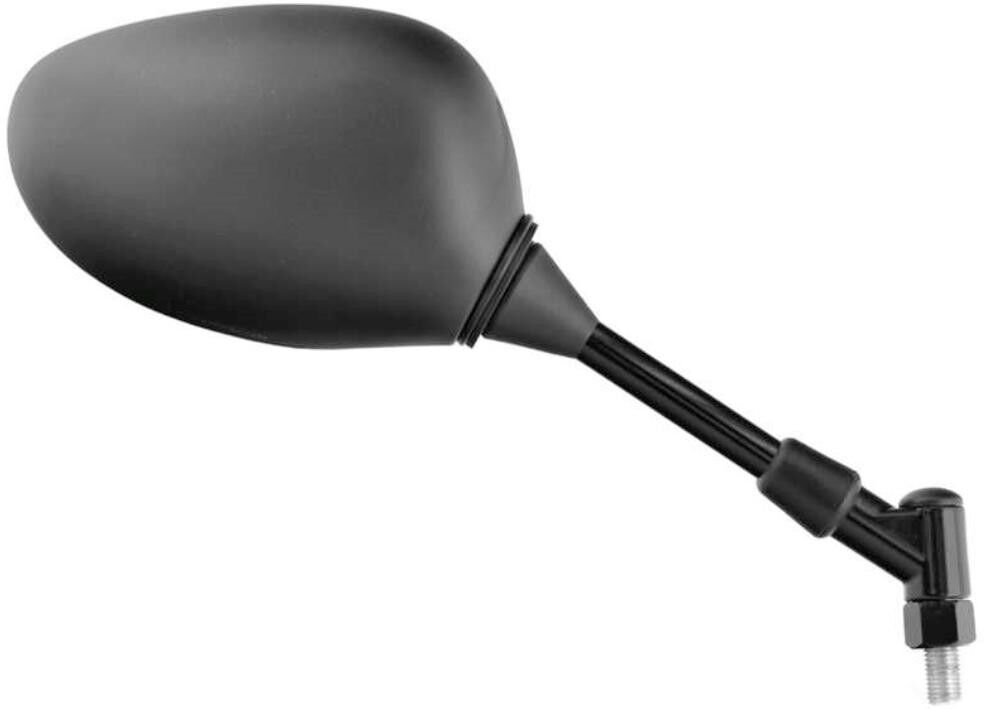

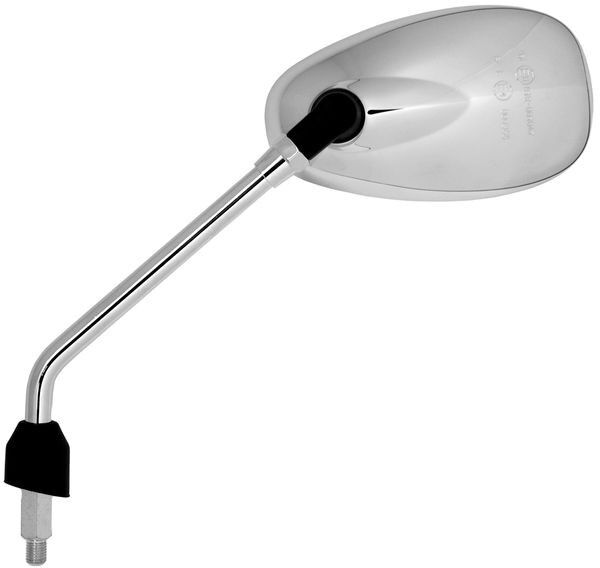
-
What is the difference between active and reactive resistance?
Active resistance involves taking direct action to oppose or challenge a particular situation or authority, such as organizing protests or strikes. On the other hand, reactive resistance involves responding to a situation after it has occurred, often in a defensive or retaliatory manner. Active resistance is proactive and seeks to bring about change, while reactive resistance is more defensive and responsive to external events. Both forms of resistance can be effective in different contexts, but they operate in different ways and have different goals. **
-
How does the performance increase when the resistance is halved?
When the resistance is halved, the current flowing through the circuit will double according to Ohm's law (V=IR). This increase in current will result in a higher power output, leading to an increase in performance. Additionally, a lower resistance will result in less voltage drop across the circuit, allowing for more efficient use of the available power. Overall, halving the resistance will lead to a significant improvement in the performance of the circuit. **
-
What is the difference between resistance and specific resistance?
Resistance is the opposition to the flow of electric current in a material, measured in ohms. It is a property of the material itself. Specific resistance, also known as resistivity, is a material property that quantifies how strongly a material opposes the flow of electric current. It is a characteristic of the material's composition and is used to calculate the resistance of a specific shape and size of material. **
-
What is the difference between electrical resistance and specific resistance?
Electrical resistance is the opposition to the flow of electric current in a material, measured in ohms. It is a property of the material itself and is dependent on factors such as the material's dimensions and temperature. Specific resistance, on the other hand, is a material property that quantifies how much a material resists the flow of electric current compared to a standard material. It is also known as resistivity and is measured in ohm-meters. In essence, electrical resistance is the overall resistance of a material, while specific resistance is a more intrinsic property of the material itself. **

What are the tolerances for resistance chains and resistance cubes?
The tolerances for resistance chains and resistance cubes typically vary depending on the manufacturer and the specific product. However, in general, resistance chains and cubes are designed to have tight tolerances to ensure accurate and consistent resistance levels for users. It is common for resistance chains and cubes to have tolerances within a few percentage points to maintain their effectiveness and reliability during workouts. It is recommended to refer to the product specifications provided by the manufacturer for more detailed information on the tolerances of specific resistance chains and cubes. **
How do I calculate the resistance with the internal resistance?
To calculate the total resistance with the internal resistance, you can use the formula: R_total = R_internal + R_external, where R_total is the total resistance, R_internal is the internal resistance, and R_external is the external resistance. This formula takes into account the resistance from both the internal and external components of the circuit. By adding the internal and external resistances together, you can determine the total resistance in the circuit. **
Top-Angebote
Products related to VICMA-13703-Resistance:
-
Inspire Picks ReboundCore Multi Functional Ab Roller Board With Resistance Bands ReboundCore Multi Functional Ab Roller Board With Resistance BandsFeel stronger with every repwithout straining your back or wasting time at the gym. The ReboundCore MultiFunctional Ab Roller Board is a ab roller with rebound designed for efficient, fullcore training at home or in the office. Built for beginners...172,62 $*Shipping: 0,00 $Secure redirect to the provider
-
What is a current example of active resistance?
One current example of active resistance is the ongoing protests against police brutality and racial injustice in the United States. Demonstrators have been organizing marches, rallies, and other forms of protest to demand systemic change and accountability from law enforcement agencies. This active resistance has brought attention to issues of racism and police violence, sparking a national conversation and calls for reform. **
-
What is passive and active resistance in National Socialism?
Passive resistance in National Socialism refers to nonviolent forms of opposition or disobedience to the regime, such as refusing to participate in Nazi activities or propaganda. This could include acts like hiding persecuted individuals or distributing anti-Nazi literature. Active resistance, on the other hand, involves more direct and confrontational actions against the Nazi regime, such as sabotage, assassination attempts, or participating in underground resistance movements. Both forms of resistance were present during the Nazi era, with some individuals choosing passive resistance to avoid detection and others opting for active resistance to actively combat the regime. **
-
What is the difference between active and reactive resistance?
Active resistance involves taking direct action to oppose or challenge a particular situation or authority, such as organizing protests or strikes. On the other hand, reactive resistance involves responding to a situation after it has occurred, often in a defensive or retaliatory manner. Active resistance is proactive and seeks to bring about change, while reactive resistance is more defensive and responsive to external events. Both forms of resistance can be effective in different contexts, but they operate in different ways and have different goals. **
-
How does the performance increase when the resistance is halved?
When the resistance is halved, the current flowing through the circuit will double according to Ohm's law (V=IR). This increase in current will result in a higher power output, leading to an increase in performance. Additionally, a lower resistance will result in less voltage drop across the circuit, allowing for more efficient use of the available power. Overall, halving the resistance will lead to a significant improvement in the performance of the circuit. **
Similar search terms for VICMA-13703-Resistance
-
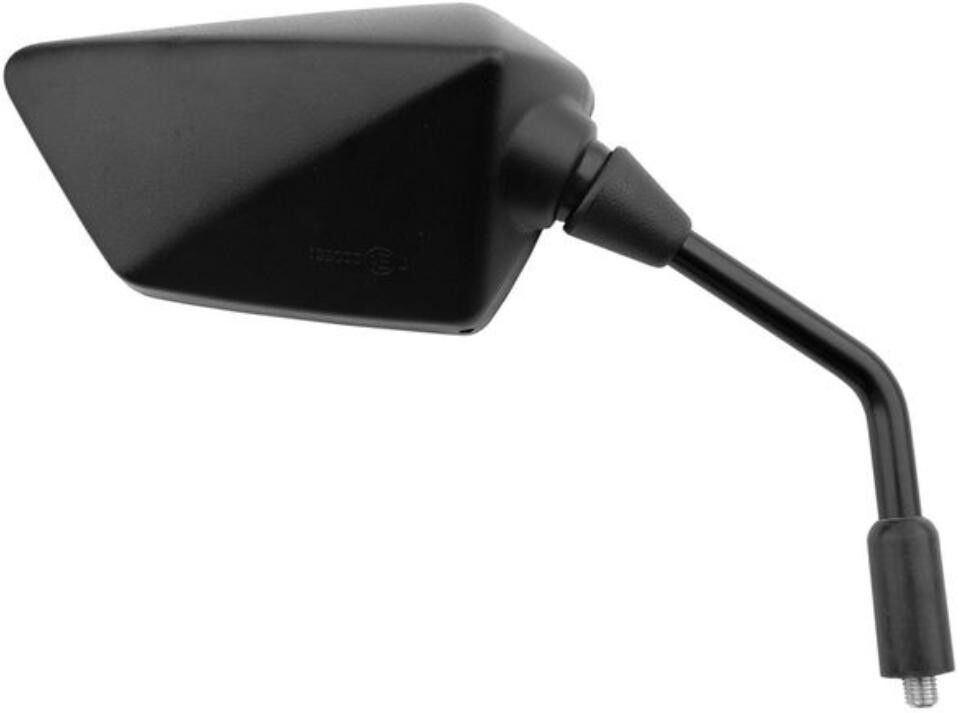
VICMA EK935D MirrorFitting Position: Right; Thread Size: M10; Thread Pitch [mm]: 1.25; Thread Type: with right-hand thread, with left-hand thread; Colour: black; Material: Plastic; Shape: Trapeze; Vehicle type: Motorcycle; Registration Type: E approved; Width [mm]: 175; Height: 9543,49 £*Shipping: 8,45 £Secure redirect to the provider
-
VICMA EH945D MirrorFitting Position: Right; Thread Size: M10; Thread Pitch [mm]: 1.25; Thread Type: with right-hand thread; Colour: black; Material: Plastic; Shape: Trapeze; Vehicle type: Motorcycle; Registration Type: E approved; Width [mm]: 150; Height: 9024,49 £*Shipping: 8,45 £Secure redirect to the provider
-
What is the difference between resistance and specific resistance?
Resistance is the opposition to the flow of electric current in a material, measured in ohms. It is a property of the material itself. Specific resistance, also known as resistivity, is a material property that quantifies how strongly a material opposes the flow of electric current. It is a characteristic of the material's composition and is used to calculate the resistance of a specific shape and size of material. **
-
What is the difference between electrical resistance and specific resistance?
Electrical resistance is the opposition to the flow of electric current in a material, measured in ohms. It is a property of the material itself and is dependent on factors such as the material's dimensions and temperature. Specific resistance, on the other hand, is a material property that quantifies how much a material resists the flow of electric current compared to a standard material. It is also known as resistivity and is measured in ohm-meters. In essence, electrical resistance is the overall resistance of a material, while specific resistance is a more intrinsic property of the material itself. **
-
What are the tolerances for resistance chains and resistance cubes?
The tolerances for resistance chains and resistance cubes typically vary depending on the manufacturer and the specific product. However, in general, resistance chains and cubes are designed to have tight tolerances to ensure accurate and consistent resistance levels for users. It is common for resistance chains and cubes to have tolerances within a few percentage points to maintain their effectiveness and reliability during workouts. It is recommended to refer to the product specifications provided by the manufacturer for more detailed information on the tolerances of specific resistance chains and cubes. **
-
How do I calculate the resistance with the internal resistance?
To calculate the total resistance with the internal resistance, you can use the formula: R_total = R_internal + R_external, where R_total is the total resistance, R_internal is the internal resistance, and R_external is the external resistance. This formula takes into account the resistance from both the internal and external components of the circuit. By adding the internal and external resistances together, you can determine the total resistance in the circuit. **
* All prices are inclusive of VAT and, if applicable, plus shipping costs. The offer information is based on the details provided by the respective shop and is updated through automated processes. Real-time updates do not occur, so deviations can occur in individual cases. ** Note: Parts of this content were created by AI.