Buy designtomove.eu ?
We are moving the project
designtomove.eu .
Are you interested in purchasing the domain
designtomove.eu ?
domain@kv-gmbh.de · 0541-91531010
Buy designtomove.eu ?
Weeds or flowers?
Both weeds and flowers have their own unique beauty and purpose. Weeds may be seen as unwanted plants that can be invasive, but they also play a role in the ecosystem by providing food and shelter for insects and animals. On the other hand, flowers are often cultivated for their aesthetic appeal and are a symbol of beauty and growth. Ultimately, whether something is considered a weed or a flower may depend on individual perspective and context. **
Why does weeds grow?
Weeds grow because they are opportunistic plants that are able to thrive in a variety of conditions. They have evolved to quickly colonize disturbed areas and outcompete other plants for resources such as sunlight, water, and nutrients. Weeds are also able to reproduce rapidly through methods such as producing large amounts of seeds or spreading through underground rhizomes. Additionally, human activities such as agriculture, landscaping, and construction can create ideal conditions for weeds to grow and spread. **

Similar search terms for Weeds
Top-Angebote
Products related to Weeds:
-
DK RHS What's That Weed?: Know Your Weeds and Learn to Live with Them by Guy Barter - Non Fiction - PaperbackTitle:. RHS What's That Weed?: Know Your Weeds and Learn to Live with Them Format: Paperback Overview:. Whether you’re a novice who has just started a kitchen garden or an experienced gardener refining a border, RHS What's That Weed? is the practical guide you reach for again and again. Written with clarity and a calm, encouraging tone, this paperback helps you identify the weeds that show up in British gardens and shows you how to respond without endless frustration. The book presents a straightforward approach: learn to recognise weeds by their leaves, stems, and habit, understand where they like to thrive, and choose a management strategy that fits your time, space, and ethos. Rather than promising heroic weed-free lawns, it offers smart ways to coexist—reducing effort, protecting desirable plants, and preserving soil health. You’ll discover common lawn weeds, border invaders, and opportunistic residents along with concise notes on control methods, seasonal timing, and practical alternatives to harsh chemicals. The result is a dependable reference you can consult season after season, whether you’re laying new turf, renewing a flower bed, or simply keeping your patch tidy. This is the kind of accessible, durable guide UK gardeners rely on when they want real-world, sustainable results. What Makes This Book Stand Out:. What makes RHS What's That Weed? stand out is its practical, no-nonsense approach to a familiar problem. Guy Barter distills decades of gardening experience into a portable, easy-reference guide that sits on the bench, in the shed, or beside the compost heap. The book focuses on real-world weed knowledge—identification tips that rely on visible, reliable clues rather than technical jargon, paired with clear advice on when to weed, mulch, or let a plant be. Its emphasis on living with weeds—balancing garden aesthetics with ecological sensibility—helps readers avoid over-reaction and reduces chemical use. The layout is designed for quick scanning: compact profiles, practical tips, and a consistent structure that makes it simple to compare similar species. For UK climates, it provides context about seasonal weed cycles and how weather affects germination. The result is a reliable reference that empowers gardeners to act with confidence, save time, and enjoy a healthier, more resilient outdoor space. Who This Book Is Perfect For:. Whether you’re new to gardening or an established enthusiast, this RHS guide is for anyone who wants a clearer, calmer approach to garden weeds. It suits small urban plots and larger borders alike, helping readers identify lawn intruders, border thugs, and opportunistic invaders with confidence. Perfect for hobby gardeners, landlords and rental home owners, and anyone who prefers practical, chemistry-free weed management, the book also makes a thoughtful gift for new homeowners, students, and retirees turning to garden projects. If you’re planning a tidy summer display or a low-maintenance grass area, this...12,99 £*Shipping: 2,99 £Secure redirect to the provider
-
Rueber Innovative Active 2% Regenerating Booster Treatment 12x10mLA hair-care product for hair loss or thinning. It a potent anti-hair loss tonic designed to invigorate hair follicles and promote healthy development. Stimulates hair development and revitalizes thinning hair. Improves blood circulation to the scalp. Lightweight and non-greasy formula. Suitable for all hair types.22,68 £*Shipping: 5,16 £Secure redirect to the provider
-
Rueber Innovative Active 1% Hair Regenerator Tonic 150mLA hair-care product for hair loss or thinning. It a powerful anti-hair loss tonic designed to stimulate hair development and improve scalp health. Its unique thermal action enhances blood circulation to the hair follicles, addressing issues of slow or stagnant hair development. Stimulates hair development by enhancing blood circulation.12,00 £*Shipping: 5,16 £Secure redirect to the provider


-
How do you shred weeds?
To shred weeds, you can use a variety of methods such as using a weed eater or trimmer to cut them down to a smaller size. Another method is to use a lawn mower with a bag attachment to collect and shred the weeds as you mow over them. Additionally, you can use a garden shredder or chipper to break down the weeds into smaller pieces. Once shredded, you can compost the weeds or use them as mulch in your garden. **
-
Why do people find weeds unsightly?
People find weeds unsightly because they are often seen as unwanted plants that can disrupt the appearance of a well-maintained garden or landscape. Weeds can compete with desired plants for nutrients, water, and sunlight, leading to a less attractive and healthy environment. Additionally, weeds can grow quickly and spread easily, making them difficult to control and remove. Overall, the presence of weeds can give the impression of neglect or lack of care in a space, which is why people often find them unsightly. **
-
Does a walnut tree suppress weeds?
Yes, walnut trees are known to suppress weeds due to the release of juglone, a chemical compound found in their roots, leaves, and nuts. Juglone is toxic to many plants and can inhibit the growth of nearby vegetation, effectively reducing weed competition. This natural herbicidal effect helps walnut trees to maintain their dominance in their growing environment. **
-
How do you quickly remove weeds?
One quick way to remove weeds is by using a hand tool like a weeding fork or hoe to dig them out from the root. Another method is to smother the weeds by covering them with mulch or a thick layer of newspaper or cardboard. Additionally, you can use a natural weed killer like vinegar or boiling water to kill weeds without harming the surrounding plants. Regularly pulling weeds when they are small can also help prevent them from spreading and taking over your garden. **
Which picture shows flowers or weeds?
I'm sorry, I cannot see the pictures you are referring to. If you could describe the pictures to me, I would be happy to help you determine which one shows flowers or weeds. **
Can you not remove any weeds?
Yes, it is possible to not remove any weeds. Some people may choose to leave weeds in their garden for various reasons, such as to attract beneficial insects or to create a more natural, wild look. Additionally, some weeds may have deep roots that help prevent soil erosion. However, it is important to carefully consider the potential impact of leaving weeds unattended, as they can compete with desired plants for nutrients and water. **
Top-Angebote
Products related to Weeds:
-
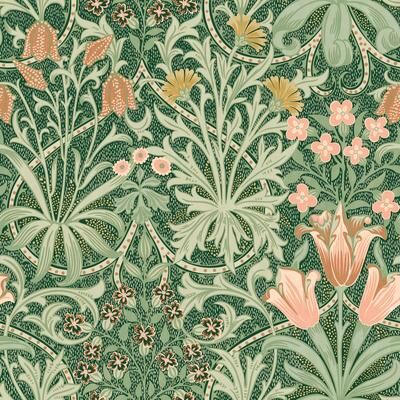
William Morris at Home Woodland Weeds Forest Wallpaper - N/AWilliam Morris championed nature, and his designs were commonly asymmetric to reflect the organic imperfections of the natural world. 'Woodland weeds', however, is curiously symmetrical.120,00 $*Shipping: 0,00 $Secure redirect to the provider
-
Leaping Hare Press Grow Food. Eat Weeds. Save Seeds. by Nettles and Petals - Non Fiction - PaperbackTitle:. Grow Food. Eat Weeds. Save Seeds. Format: Paperback Overview:. From Nettles and Petals, the authors behind this Sunday Times bestseller, Grow Food. Eat Weeds. Save Seeds. is a practical, hands-on guide to turning every patch of earth into a productive, delicious space. It champions a joyful, sustainable approach to gardening that works in cities and towns as well as larger plots. The book reframes weeds as allies, showing how many common greens can be safely harvested and used in everyday cooking, while teaching simple techniques to establish resilient, low-maintenance crops. You’ll learn how to prepare soil, start seeds, and manage space with clever companion planting and vertical growing ideas. There are clear, photo-light steps for saving seeds so your garden can feed itself for seasons to come, reducing waste and saving money. The tone is friendly and reassuring, perfect for beginners who might feel overwhelmed, yet packed with practical tips that seasoned gardeners will value. The paperback format makes this a portable, desk-friendly reference you can leave by the bench or on the kitchen shelf, ready to guide you through planning, planting, and harvesting with confidence. What Makes This Book Stand Out:. This book stands out by turning a seemingly ordinary garden into a treasure trove of food and wisdom. It treats edible weeds not as nuisances but as a resource, with practical guidance on identification and safe usage, plus simple, tasty ways to incorporate them into everyday meals. Seed-saving guidance is woven into garden planning, helping readers reduce reliance on store-bought seeds and preserve local varieties. The approach is deliberately approachable: concise chapters, straightforward checklists, and repeatable routines that fit busy lives. Nettles and Petals strike a balance between encouragement and realism, showing that meaningful results come from consistency, not perfection, and that you don’t need a vast plot to grow a thriving, flavorful harvest. Readers finish with a clear, actionable path to start small, scale up, and enjoy a more resilient, self-sufficient kitchen garden. Who This Book Is Perfect For:. Ideal for beginners seeking a friendly, practical entry into gardening, as well as seasoned growers wanting to streamline seed saving and maximize space. Urban dwellers with balconies, small patios, or community plots will find clever ideas for compact beds and vertical growing. Families and teachers can use the book as a hands-on way to teach children where food comes from, biodiversity, and the seasons. Gift buyers will appreciate a modern, useful title that feels inspirational without being intimidating, perfect for book lovers who care about sustainability, local food, and a joyful, garden-based lifestyle. Cooks who relish fresh greens and foraged herbs will also discover daily value in turning wild edibles into everyday meals. Key Highlights:. Practical, beginner-friendly guidance for growing food in small spaces....16,99 £*Shipping: 2,99 £Secure redirect to the provider
-
DK RHS What's That Weed?: Know Your Weeds and Learn to Live with Them by Guy Barter - Non Fiction - PaperbackTitle:. RHS What's That Weed?: Know Your Weeds and Learn to Live with Them Format: Paperback Overview:. Whether you’re a novice who has just started a kitchen garden or an experienced gardener refining a border, RHS What's That Weed? is the practical guide you reach for again and again. Written with clarity and a calm, encouraging tone, this paperback helps you identify the weeds that show up in British gardens and shows you how to respond without endless frustration. The book presents a straightforward approach: learn to recognise weeds by their leaves, stems, and habit, understand where they like to thrive, and choose a management strategy that fits your time, space, and ethos. Rather than promising heroic weed-free lawns, it offers smart ways to coexist—reducing effort, protecting desirable plants, and preserving soil health. You’ll discover common lawn weeds, border invaders, and opportunistic residents along with concise notes on control methods, seasonal timing, and practical alternatives to harsh chemicals. The result is a dependable reference you can consult season after season, whether you’re laying new turf, renewing a flower bed, or simply keeping your patch tidy. This is the kind of accessible, durable guide UK gardeners rely on when they want real-world, sustainable results. What Makes This Book Stand Out:. What makes RHS What's That Weed? stand out is its practical, no-nonsense approach to a familiar problem. Guy Barter distills decades of gardening experience into a portable, easy-reference guide that sits on the bench, in the shed, or beside the compost heap. The book focuses on real-world weed knowledge—identification tips that rely on visible, reliable clues rather than technical jargon, paired with clear advice on when to weed, mulch, or let a plant be. Its emphasis on living with weeds—balancing garden aesthetics with ecological sensibility—helps readers avoid over-reaction and reduces chemical use. The layout is designed for quick scanning: compact profiles, practical tips, and a consistent structure that makes it simple to compare similar species. For UK climates, it provides context about seasonal weed cycles and how weather affects germination. The result is a reliable reference that empowers gardeners to act with confidence, save time, and enjoy a healthier, more resilient outdoor space. Who This Book Is Perfect For:. Whether you’re new to gardening or an established enthusiast, this RHS guide is for anyone who wants a clearer, calmer approach to garden weeds. It suits small urban plots and larger borders alike, helping readers identify lawn intruders, border thugs, and opportunistic invaders with confidence. Perfect for hobby gardeners, landlords and rental home owners, and anyone who prefers practical, chemistry-free weed management, the book also makes a thoughtful gift for new homeowners, students, and retirees turning to garden projects. If you’re planning a tidy summer display or a low-maintenance grass area, this...12,99 £*Shipping: 2,99 £Secure redirect to the provider
-
Rueber Innovative Active 2% Regenerating Booster Treatment 12x10mLA hair-care product for hair loss or thinning. It a potent anti-hair loss tonic designed to invigorate hair follicles and promote healthy development. Stimulates hair development and revitalizes thinning hair. Improves blood circulation to the scalp. Lightweight and non-greasy formula. Suitable for all hair types.22,68 £*Shipping: 5,16 £Secure redirect to the provider
-
Weeds or flowers?
Both weeds and flowers have their own unique beauty and purpose. Weeds may be seen as unwanted plants that can be invasive, but they also play a role in the ecosystem by providing food and shelter for insects and animals. On the other hand, flowers are often cultivated for their aesthetic appeal and are a symbol of beauty and growth. Ultimately, whether something is considered a weed or a flower may depend on individual perspective and context. **
-
Why does weeds grow?
Weeds grow because they are opportunistic plants that are able to thrive in a variety of conditions. They have evolved to quickly colonize disturbed areas and outcompete other plants for resources such as sunlight, water, and nutrients. Weeds are also able to reproduce rapidly through methods such as producing large amounts of seeds or spreading through underground rhizomes. Additionally, human activities such as agriculture, landscaping, and construction can create ideal conditions for weeds to grow and spread. **
-
How do you shred weeds?
To shred weeds, you can use a variety of methods such as using a weed eater or trimmer to cut them down to a smaller size. Another method is to use a lawn mower with a bag attachment to collect and shred the weeds as you mow over them. Additionally, you can use a garden shredder or chipper to break down the weeds into smaller pieces. Once shredded, you can compost the weeds or use them as mulch in your garden. **
-
Why do people find weeds unsightly?
People find weeds unsightly because they are often seen as unwanted plants that can disrupt the appearance of a well-maintained garden or landscape. Weeds can compete with desired plants for nutrients, water, and sunlight, leading to a less attractive and healthy environment. Additionally, weeds can grow quickly and spread easily, making them difficult to control and remove. Overall, the presence of weeds can give the impression of neglect or lack of care in a space, which is why people often find them unsightly. **
Similar search terms for Weeds
-
Rueber Innovative Active 1% Hair Regenerator Tonic 150mLA hair-care product for hair loss or thinning. It a powerful anti-hair loss tonic designed to stimulate hair development and improve scalp health. Its unique thermal action enhances blood circulation to the hair follicles, addressing issues of slow or stagnant hair development. Stimulates hair development by enhancing blood circulation.12,00 £*Shipping: 5,16 £Secure redirect to the provider
-
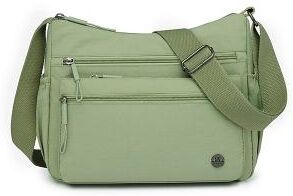
LightInthebox Women's Multi-Color Water-Resistant Polyester Crossbody Bag, Large Capacity, Versatile for Daily Casual and Vacation Use, Adjustable Strap, Stylish and Functional DesignCategory:Shoulder Bag,Crossbody Bag; Embellishment:Zipper; Gender:Women's; Type:Crossbody Bag,Shoulder Bags; Occasion:Holiday,Casual,Outdoor,Travel,Mother's Day; Material:Nylon; Closure Type:Zipper; Height:22; Function:Lightweight,Large Capacity;...26,99 $*Shipping: 7,99 $Secure redirect to the provider
-
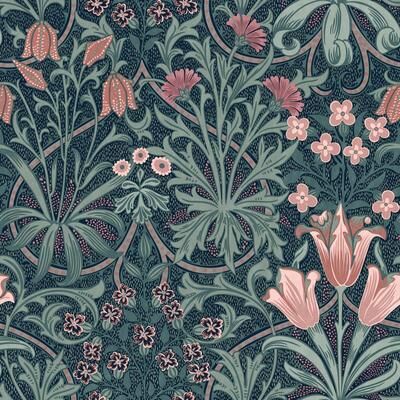
William Morris at Home Woodland Weeds Midnight Wallpaper - N/AWilliam Morris championed nature, and his designs were commonly asymmetric to reflect the organic imperfections of the natural world. 'Woodland weeds', however, is curiously symmetrical.120,00 $*Shipping: 0,00 $Secure redirect to the provider
-
Does a walnut tree suppress weeds?
Yes, walnut trees are known to suppress weeds due to the release of juglone, a chemical compound found in their roots, leaves, and nuts. Juglone is toxic to many plants and can inhibit the growth of nearby vegetation, effectively reducing weed competition. This natural herbicidal effect helps walnut trees to maintain their dominance in their growing environment. **
-
How do you quickly remove weeds?
One quick way to remove weeds is by using a hand tool like a weeding fork or hoe to dig them out from the root. Another method is to smother the weeds by covering them with mulch or a thick layer of newspaper or cardboard. Additionally, you can use a natural weed killer like vinegar or boiling water to kill weeds without harming the surrounding plants. Regularly pulling weeds when they are small can also help prevent them from spreading and taking over your garden. **
-
Which picture shows flowers or weeds?
I'm sorry, I cannot see the pictures you are referring to. If you could describe the pictures to me, I would be happy to help you determine which one shows flowers or weeds. **
-
Can you not remove any weeds?
Yes, it is possible to not remove any weeds. Some people may choose to leave weeds in their garden for various reasons, such as to attract beneficial insects or to create a more natural, wild look. Additionally, some weeds may have deep roots that help prevent soil erosion. However, it is important to carefully consider the potential impact of leaving weeds unattended, as they can compete with desired plants for nutrients and water. **
* All prices are inclusive of VAT and, if applicable, plus shipping costs. The offer information is based on the details provided by the respective shop and is updated through automated processes. Real-time updates do not occur, so deviations can occur in individual cases. ** Note: Parts of this content were created by AI.