Buy designtomove.eu ?
We are moving the project
designtomove.eu .
Are you interested in purchasing the domain
designtomove.eu ?
domain@kv-gmbh.de · 0541-91531010
Buy designtomove.eu ?
'Den or dem? Wen or wem?'
In German, "den" and "wen" are used as the accusative forms of the masculine and neuter definite articles, as well as for masculine and neuter direct objects. On the other hand, "dem" and "wem" are used as the dative forms of the masculine and neuter definite articles, as well as for masculine and neuter indirect objects. It's important to pay attention to the case and gender of the noun in order to use the correct form. **
Why is "wen" used instead of "wem"?
"Wen" is used instead of "wem" in English because "wen" is the correct form of the word when used as an interrogative pronoun. "Wem" is an older form of the word that is no longer commonly used in modern English. The use of "wen" helps to maintain clarity and consistency in language usage. **


Similar search terms for Wem
Top-Angebote
Products related to Wem:
-
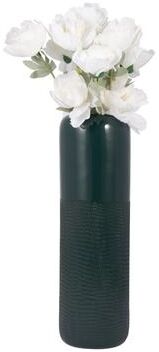
Sagebrook Home Ceramic Vase, Versatile Home Accents for Stylish DecorSimplicity never goes out of style! Add this pretty and stylish vase to any home or office for a trendy, easy style upgrade. This particular vase comes in a unique grooved design in a solid color.44,23 $*Shipping: 0,00 $Secure redirect to the provider
-
Rueber Innovative Active 2% Regenerating Booster Treatment 12x10mLA hair-care product for hair loss or thinning. It a potent anti-hair loss tonic designed to invigorate hair follicles and promote healthy development. Stimulates hair development and revitalizes thinning hair. Improves blood circulation to the scalp. Lightweight and non-greasy formula. Suitable for all hair types.23,22 £*Shipping: 5,28 £Secure redirect to the provider
-
Sagebrook Home Ceramic Vase, Versatile Home Accents for Stylish DecorSimplicity never goes out of style! Add this pretty and stylish vase to any home or office for a trendy, easy style upgrade. This particular vase comes in a unique grooved design in a solid color.49,99 $*Shipping: 0,00 $Secure redirect to the provider
-
Sagebrook Home Ceramic Vase, Versatile Home Accents for Stylish DecorSimplicity never goes out of style! Add this pretty and stylish vase to any home or office for a trendy, easy style upgrade. This particular vase comes in a unique grooved design in a solid ivory/beige color.45,81 $*Shipping: 0,00 $Secure redirect to the provider



-
What is the difference between "wen" and "wem"?
"Wen" is used as a question word to ask about the subject of a sentence, while "wem" is used to ask about the indirect object. For example, "Wen hast du gesehen?" means "Whom did you see?" and "Wem hast du das Buch gegeben?" means "To whom did you give the book?" The main difference is that "wen" is used for the direct object and "wem" is used for the indirect object in German grammar. **
-
Why do we use "wen" and not "wem"?
"We" is used as the subject of a sentence, while "us" is used as the object. "Wen" is the objective form of "we," so it is used when "we" is the object of a verb or preposition. On the other hand, "wem" is not a standard English word and is not used in place of "wen." Therefore, we use "wen" and not "wem" because "wen" is the correct objective form of "we" in English. **
-
What is the difference between "wem" and "wen"?
"Wem" and "wen" are both pronouns used in the German language to indicate the indirect object of a sentence. The main difference between the two is that "wem" is used in the dative case, while "wen" is used in the accusative case. In other words, "wem" is used when the indirect object is the recipient of the action, while "wen" is used when the indirect object is the target of the action. For example, "Ich gebe dem Mann das Buch" (I give the book to the man) uses "dem Mann" (dative) with "wem," while "Ich sehe den Mann" (I see the man) uses "den Mann" (accusative) with "wen." **
-
What does "Mit wem habe ich die Ehre?" mean?
"Mit wem habe ich die Ehre?" is a polite way of asking "Who do I have the honor of speaking to?" in German. It is often used when meeting someone for the first time or in a formal setting to inquire about the identity of the person you are addressing. This phrase is a respectful way of showing interest in the other person and acknowledging their presence. **

Why are "wen" and "wem" used in these sentences?
"Wen" and "wem" are used in these sentences because they are the accusative and dative forms of the pronoun "we" in German. The accusative form "wen" is used when "we" is the direct object of the sentence, while the dative form "wem" is used when "we" is the indirect object. These forms indicate the different roles that "we" plays in the sentences, helping to clarify the relationships between the subjects and objects in the sentence. **
What is the difference between wen, wem, den, and dem?
In German, "wen" and "den" are used as accusative forms of "wer" and "der" respectively, while "wem" and "dem" are used as dative forms. "Wen" and "wem" are used when the pronoun is the direct or indirect object of the sentence, while "den" and "dem" are used when the pronoun is the direct or indirect object of a masculine noun. The choice between "wen" and "den" depends on the gender of the noun being referred to, while the choice between "wem" and "dem" depends on whether the pronoun is the direct or indirect object. **
Top-Angebote
Products related to Wem:
-
Rueber Innovative Active 1% Hair Regenerator Tonic 150mLA hair-care product for hair loss or thinning. It a powerful anti-hair loss tonic designed to stimulate hair development and improve scalp health. Its unique thermal action enhances blood circulation to the hair follicles, addressing issues of slow or stagnant hair development. Stimulates hair development by enhancing blood circulation.13,55 £*Shipping: 5,28 £Secure redirect to the provider
-
Rueber Innovative Active 2% Regenerating Booster Treatment 12x10mLA hair-care product for hair loss or thinning. It a potent anti-hair loss tonic designed to invigorate hair follicles and promote healthy development. Stimulates hair development and revitalizes thinning hair. Improves blood circulation to the scalp. Lightweight and non-greasy formula. Suitable for all hair types.23,22 £*Shipping: 5,28 £Secure redirect to the provider
-
Sagebrook Home Ceramic Vase, Versatile Home Accents for Stylish DecorSimplicity never goes out of style! Add this pretty and stylish vase to any home or office for a trendy, easy style upgrade. This particular vase comes in a unique grooved design in a solid color.44,23 $*Shipping: 0,00 $Secure redirect to the provider
-
Rueber Innovative Active 2% Regenerating Booster Treatment 12x10mLA hair-care product for hair loss or thinning. It a potent anti-hair loss tonic designed to invigorate hair follicles and promote healthy development. Stimulates hair development and revitalizes thinning hair. Improves blood circulation to the scalp. Lightweight and non-greasy formula. Suitable for all hair types.23,22 £*Shipping: 5,28 £Secure redirect to the provider
-
'Den or dem? Wen or wem?'
In German, "den" and "wen" are used as the accusative forms of the masculine and neuter definite articles, as well as for masculine and neuter direct objects. On the other hand, "dem" and "wem" are used as the dative forms of the masculine and neuter definite articles, as well as for masculine and neuter indirect objects. It's important to pay attention to the case and gender of the noun in order to use the correct form. **
-
Why is "wen" used instead of "wem"?
"Wen" is used instead of "wem" in English because "wen" is the correct form of the word when used as an interrogative pronoun. "Wem" is an older form of the word that is no longer commonly used in modern English. The use of "wen" helps to maintain clarity and consistency in language usage. **
-
What is the difference between "wen" and "wem"?
"Wen" is used as a question word to ask about the subject of a sentence, while "wem" is used to ask about the indirect object. For example, "Wen hast du gesehen?" means "Whom did you see?" and "Wem hast du das Buch gegeben?" means "To whom did you give the book?" The main difference is that "wen" is used for the direct object and "wem" is used for the indirect object in German grammar. **
-
Why do we use "wen" and not "wem"?
"We" is used as the subject of a sentence, while "us" is used as the object. "Wen" is the objective form of "we," so it is used when "we" is the object of a verb or preposition. On the other hand, "wem" is not a standard English word and is not used in place of "wen." Therefore, we use "wen" and not "wem" because "wen" is the correct objective form of "we" in English. **
Similar search terms for Wem
-
Sagebrook Home Ceramic Vase, Versatile Home Accents for Stylish DecorSimplicity never goes out of style! Add this pretty and stylish vase to any home or office for a trendy, easy style upgrade. This particular vase comes in a unique grooved design in a solid color.49,99 $*Shipping: 0,00 $Secure redirect to the provider
-
Sagebrook Home Ceramic Vase, Versatile Home Accents for Stylish DecorSimplicity never goes out of style! Add this pretty and stylish vase to any home or office for a trendy, easy style upgrade. This particular vase comes in a unique grooved design in a solid ivory/beige color.45,81 $*Shipping: 0,00 $Secure redirect to the provider
-
Sagebrook Home Ceramic Vase, Versatile Home Accents for Stylish DecorSimplicity never goes out of style! Add this pretty and stylish vase to any home or office for a trendy, easy style upgrade. This particular vase comes in a unique grooved design in a solid ivory/beige color.33,49 $*Shipping: 0,00 $Secure redirect to the provider
-
Sagebrook Home Ceramic Vase, Versatile Home Accents for Stylish DecorSimplicity never goes out of style! Add this pretty and stylish vase to any home or office for a trendy, easy style upgrade. This particular vase comes in a unique grooved design in a solid ivory/beige color.29,22 $*Shipping: 0,00 $Secure redirect to the provider
-
What is the difference between "wem" and "wen"?
"Wem" and "wen" are both pronouns used in the German language to indicate the indirect object of a sentence. The main difference between the two is that "wem" is used in the dative case, while "wen" is used in the accusative case. In other words, "wem" is used when the indirect object is the recipient of the action, while "wen" is used when the indirect object is the target of the action. For example, "Ich gebe dem Mann das Buch" (I give the book to the man) uses "dem Mann" (dative) with "wem," while "Ich sehe den Mann" (I see the man) uses "den Mann" (accusative) with "wen." **
-
What does "Mit wem habe ich die Ehre?" mean?
"Mit wem habe ich die Ehre?" is a polite way of asking "Who do I have the honor of speaking to?" in German. It is often used when meeting someone for the first time or in a formal setting to inquire about the identity of the person you are addressing. This phrase is a respectful way of showing interest in the other person and acknowledging their presence. **
-
Why are "wen" and "wem" used in these sentences?
"Wen" and "wem" are used in these sentences because they are the accusative and dative forms of the pronoun "we" in German. The accusative form "wen" is used when "we" is the direct object of the sentence, while the dative form "wem" is used when "we" is the indirect object. These forms indicate the different roles that "we" plays in the sentences, helping to clarify the relationships between the subjects and objects in the sentence. **
-
What is the difference between wen, wem, den, and dem?
In German, "wen" and "den" are used as accusative forms of "wer" and "der" respectively, while "wem" and "dem" are used as dative forms. "Wen" and "wem" are used when the pronoun is the direct or indirect object of the sentence, while "den" and "dem" are used when the pronoun is the direct or indirect object of a masculine noun. The choice between "wen" and "den" depends on the gender of the noun being referred to, while the choice between "wem" and "dem" depends on whether the pronoun is the direct or indirect object. **
* All prices are inclusive of VAT and, if applicable, plus shipping costs. The offer information is based on the details provided by the respective shop and is updated through automated processes. Real-time updates do not occur, so deviations can occur in individual cases. ** Note: Parts of this content were created by AI.